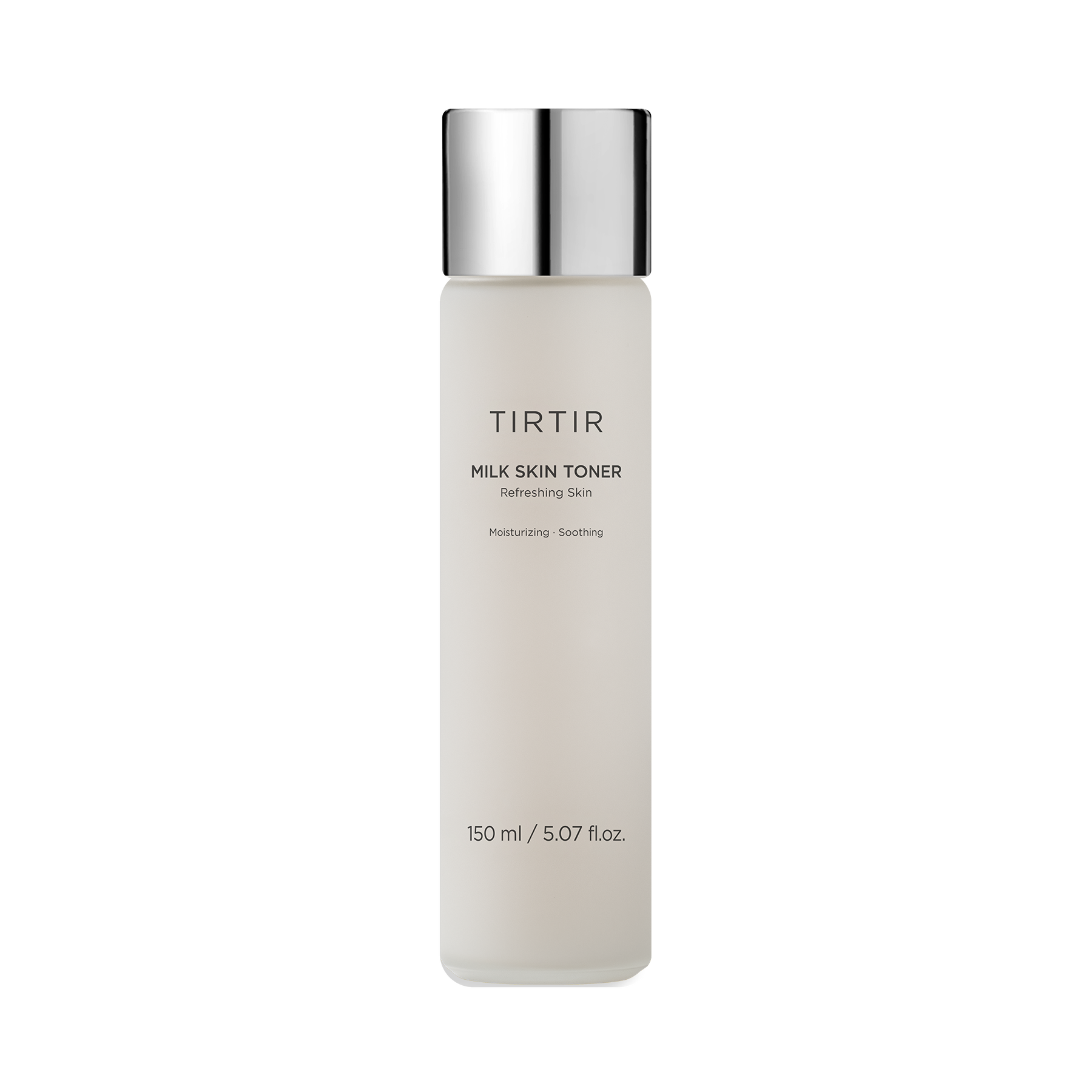
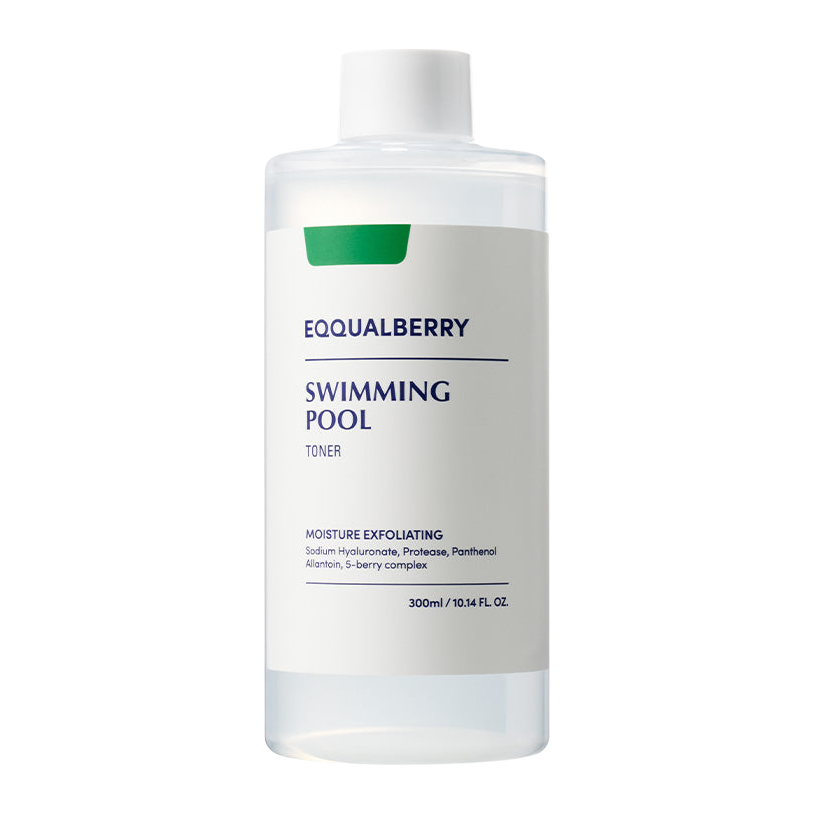
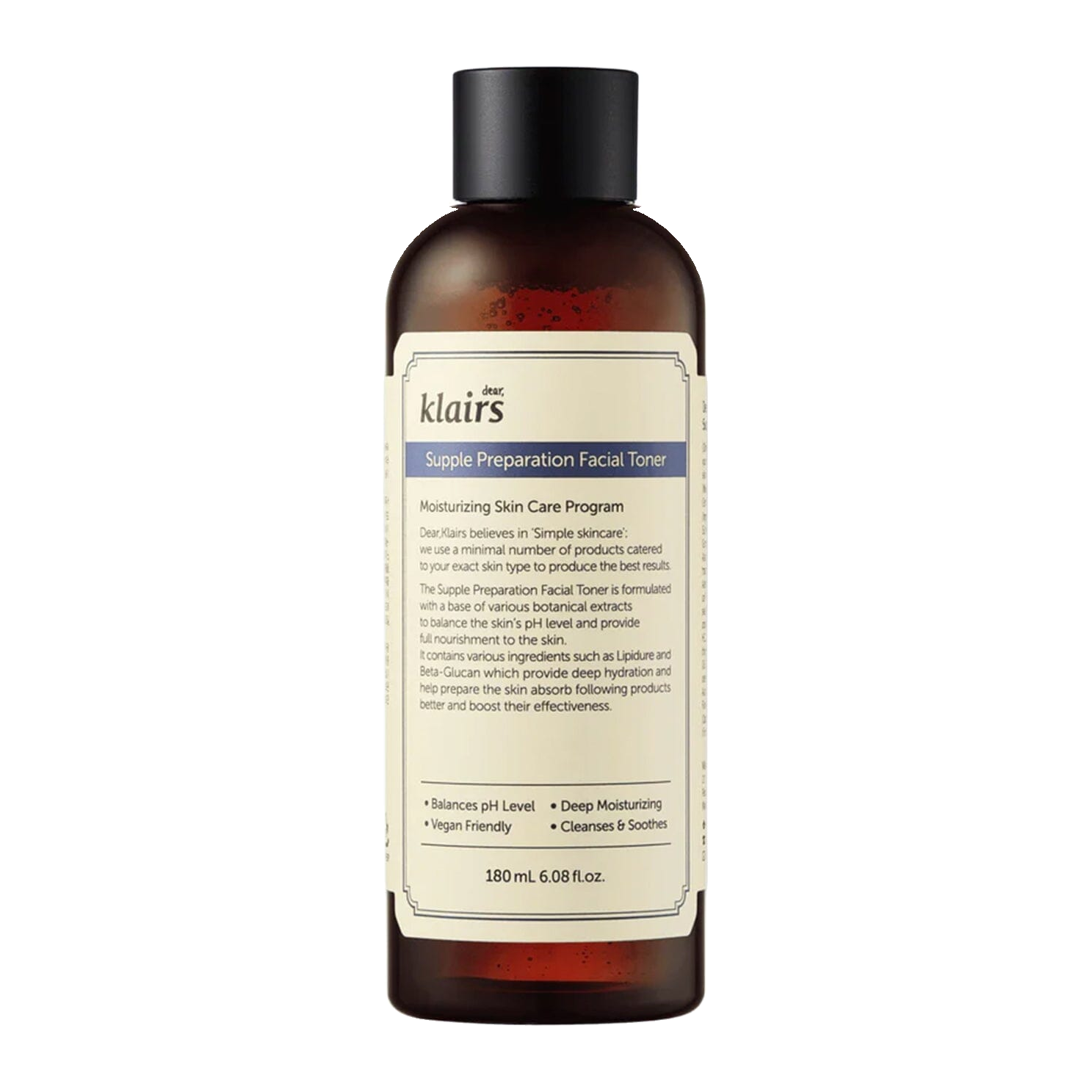
A 150 mL milky leave-on toner with brand-stated 2% niacinamide, rice bran extract, panthenol and Ceramide NP. This is regular Milk Skin Toner; the Light version is a different formula.
Based on brand information and published sources, not a hands-on review.
01 / TEXTURE
What the product image shows
Brand description
Brand-described milky liquid toner. The image identifies the regular 150 mL bottle; its appearance does not measure thickness or tell you whether it will replace a cream in your routine.
03 / YOUR ROUTINE
How to use it in your routine
Official directions
After cleansing, apply with palms or a cotton pad over face and neck, avoiding the eye area. The brand directs morning and evening use; follow the current package.
The regular formula is covered here. Milk Skin Toner Light is a separate product with a different ingredient list and brand-stated 4% niacinamide. Confirm exact size and variant on Amazon.
The regular toner combines water-binding ingredients such as glycerin, betaine and sodium PCA with skin-conditioning ingredients including panthenol and Ceramide NP. It is still a leave-on toner used after cleansing. A milky appearance does not, by itself, tell you how much moisturizer you will need afterward or establish the same feel as a cream.
Regular or Light: which name should you look for?
The regular formula is the one covered here, with 2% niacinamide stated by TIRTIR. The brand separately describes Milk Skin Toner Light with 4% niacinamide and a lighter format. Light is not simply the regular toner in a smaller bottle. Check the full product name and selected variant before comparing ingredient lists or buying.
Where does it go with a serum and moisturizer?
Use the toner after cleansing and before the next serum or moisturizer, following the package directions. The brand describes applying it with palms or a cotton pad and patting it in. You do not need to add more layers merely to follow a named multi-step routine; decide whether this toner adds a layer you actually want.
Which ingredient details are worth comparing?
Niacinamide is a brand-highlighted ingredient, while rice bran, chamomile, witch hazel and other botanical extracts also appear in the list. Glycerin, betaine, sodium PCA and hyaluronic-acid ingredients help explain the moisturizing positioning. Rice branding alone does not establish a stronger brightening effect, and a larger niacinamide percentage in another toner is not a head-to-head result.
Would a watery toner be a more useful comparison?
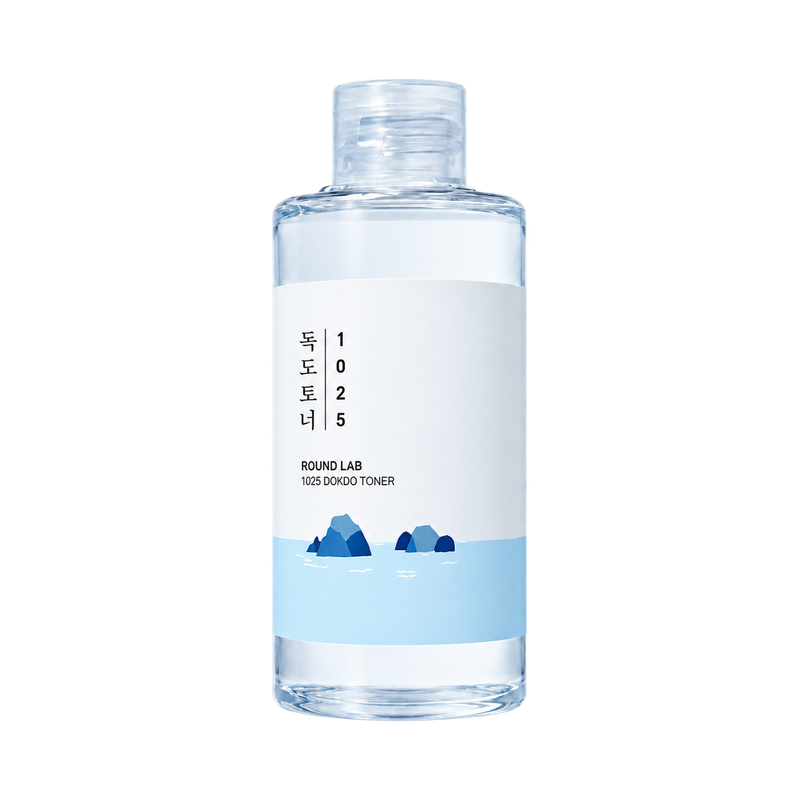
Compare the regular TIRTIR product with Round Lab Dokdo Toner if you are deciding between a milky layer and a water-light toner. Both belong at the toner stage. Their ingredient lists, bottle sizes, and product descriptions give you concrete points to compare, but they do not show which toner will hydrate your skin better.
Selected ingredients · linked English product listing
Ingredient
Role or purpose
Formula detail
Glycerin · betaine · sodium PCA
Water-binding ingredients
Part of the toner’s moisturizing base
Niacinamide
Skin-conditioning ingredient
2% is the brand-stated amount for regular Milk Skin Toner
Panthenol · Ceramide NP
Skin-conditioning / lipid ingredients
A milky toner is not automatically a replacement for moisturizer
Rice bran · chamomile · witch hazel
Botanical ingredients listed by the brand
Check the complete list rather than choosing from one highlighted extract
Official ingredient list ↗. Ingredient roles explain the formula. See the sourced product information and evidence limits below.
BRAND-REPORTED EVIDENCE
Official formula and use information
The 2% figure is the brand’s ingredient amount for the regular toner. It is not a percentage improvement in hydration or skin tone. The color and milk-themed name do not establish measured viscosity or a result for your skin.
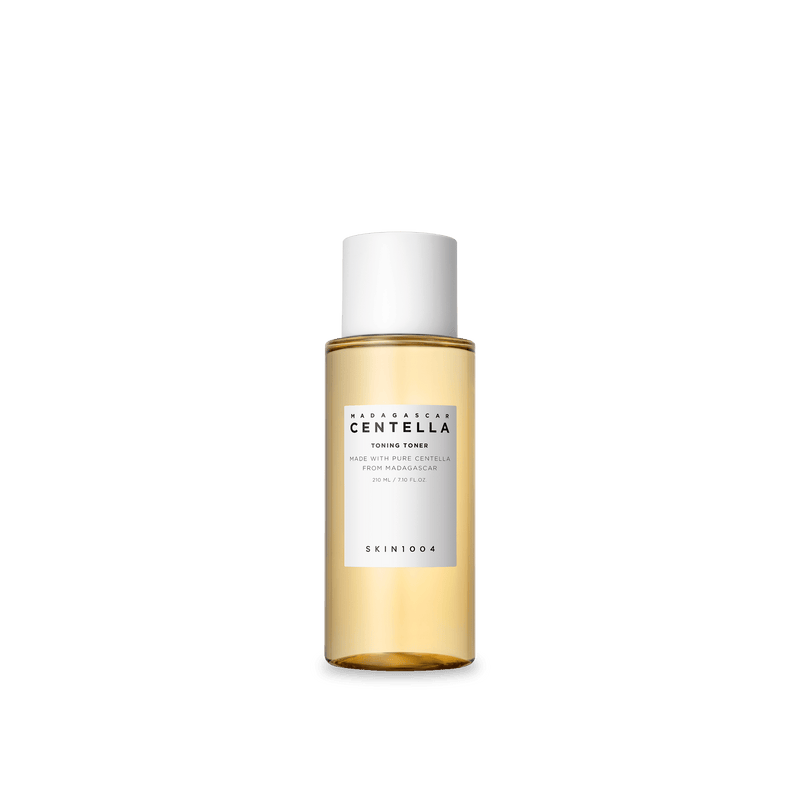
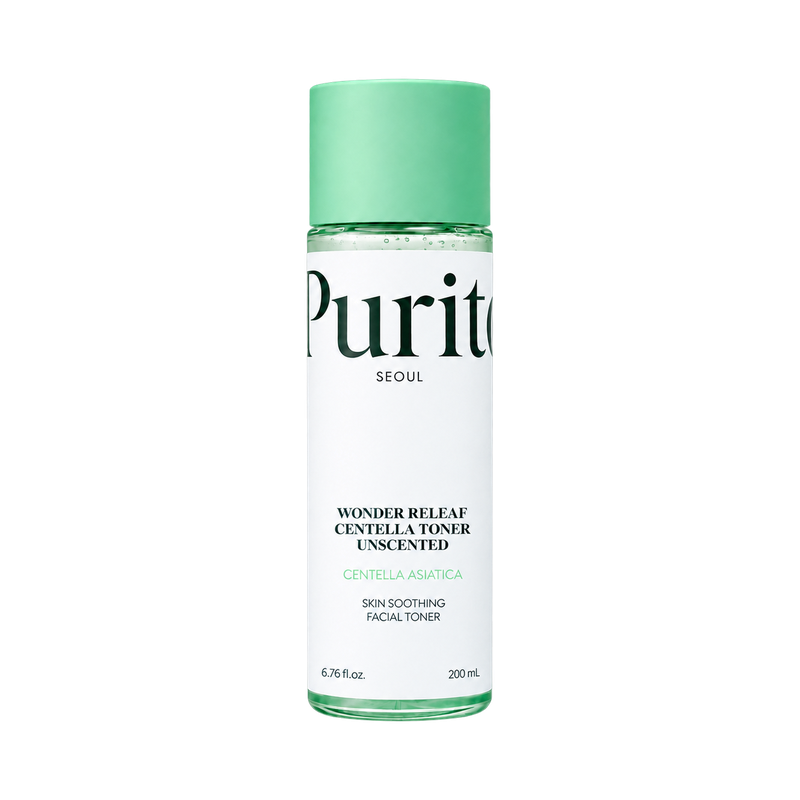
Start with the layer you want: TIRTIR describes a milky toner and highlights 2% niacinamide; Round Lab describes a water-light toner. Compare full ingredients and bottle size next, without treating either description as proof of better hydration for your skin.
Arrange the skincare products you have saved in My routine. Opening the tool does not add a product or change your order.
Your notes and saved routine stay in this browser. They are private records, not public reviews or a test of a product’s effects.
Products with overlapping ingredient lists
Calculations use complete ingredient lists for the stated market and product version. Listed names do not establish concentrations, equivalent effects or allergy suitability.
Explore products in the same use group with overlapping ingredient lists, then compare their texture, directions and ingredient differences.
How are candidates selected?
Candidates share the page’s language, market context and use group and have a complete ingredient list available. Names are normalized for spacing and reviewed synonyms; duplicate names count once.
The default order divides shared names by all distinct names across both lists: 10 shared names out of 20 distinct names gives 10 ÷ 20. You can instead order by the number of shared names. Up to five candidates are shown.
Ingredient overlap does not establish equivalent effects or a cheaper substitute. Concentrations, ingredient order, finished-product tests and feel are not part of this calculation. Missing lists are not treated as missing ingredients.