Hyaluronic Acid / Sodium Hyaluronate
Hyaluronic acid
A water-binding ingredient used in moisturizers; sodium hyaluronate is a related salt form.
More about Hyaluronic acid ↗K-beauty, read closely — ingredients, textures, and the choices between them.
Anua
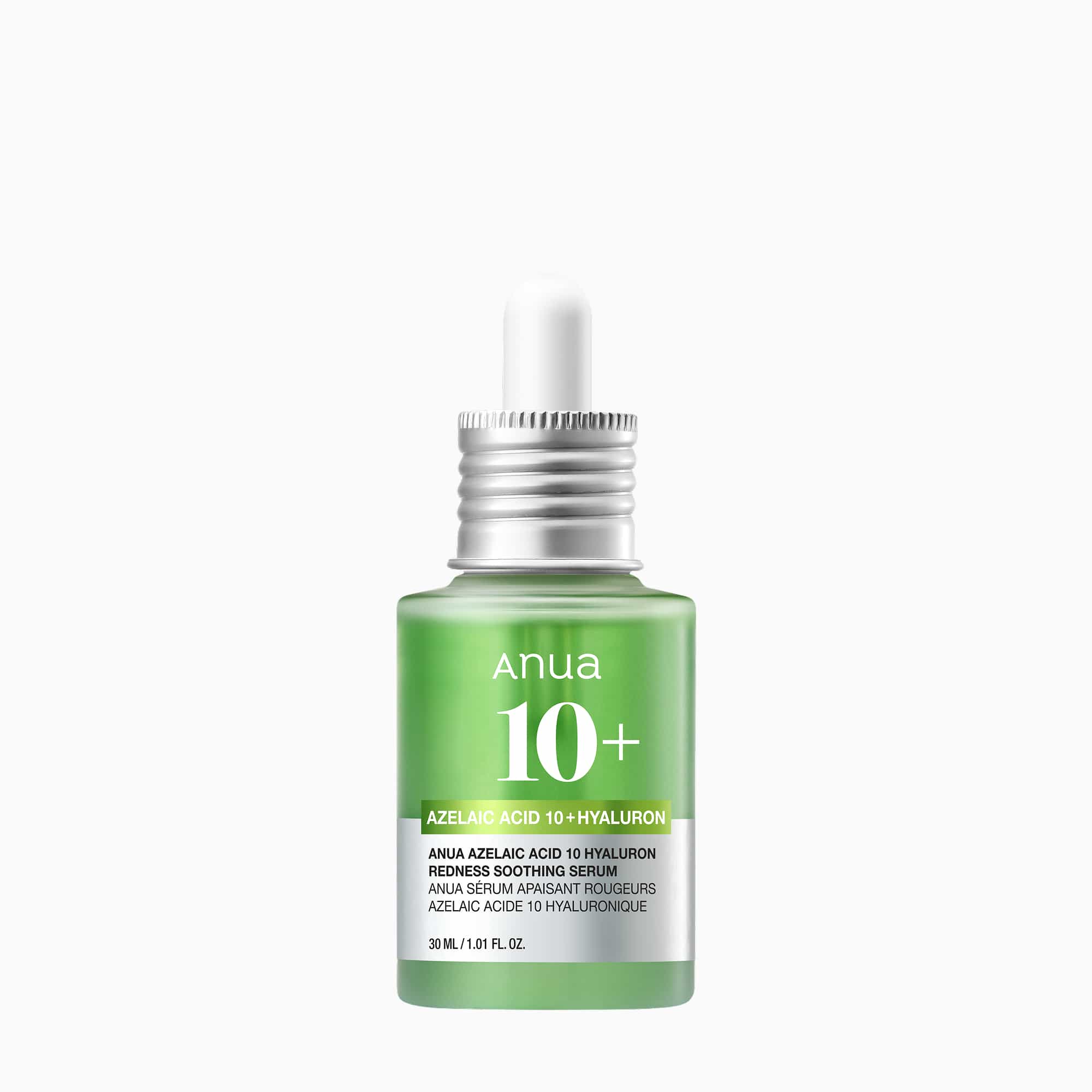
Anua Azelaic Acid 10 Hyaluron Redness Soothing Serum (30 mL): 10% azelaic acid with hyaluronic acid. The brand describes it as lightweight, non-greasy, and non-comedogenic.
| Product type | Serum |
|---|---|
| Size | 30 mL |
| Selected ingredients | Azelaic Acid · 10% · Betaine Salicylate · Panthenol · Allantoin · Dipotassium Glycyrrhizate · Beta-Glucan · Niacinamide · Zinc PCA · Squalane · Ceramide NP |
| Product information | US |
Consider it for: An azelaic acid serum option with a gradual ramp-up schedule on the label.
Based on brand information and published sources, not a hands-on review.
01 / TEXTURE
The brand describes a lightweight, non-greasy serum.
02 / INGREDIENTS
These are selected ingredients to look at first when getting to know this product. They are not the complete ingredient list, and an ingredient name alone cannot predict how a finished formula will work for you.
| Ingredient | Common role or formula detail |
|---|---|
| Azelaic Acid · 10% | Highlighted active; the official page states 10%. |
| Betaine Salicylate | INCI-listed salicylate derivative; relevant when comparing leave-on exfoliating steps. Its concentration is not stated. |
| Panthenol · Allantoin · Dipotassium Glycyrrhizate · Beta-Glucan | Skin-conditioning ingredients listed in the formula; amounts not stated. |
| Niacinamide · Zinc PCA · Squalane · Ceramide NP | Additional formula ingredients; their amounts are not stated. |
| Sodium Hyaluronate | Hyaluronic-acid salt listed in the ingredient list. |
02A / FULL INGREDIENT LIST
The ingredient list below comes from the linked source (US), checked 2026-10-24. Formula and packaging can change, so compare it with the label on the exact item you receive.
Water, Azelaic Acid, Propylene Glycol, Sodium Hydroxide, Dipropylene Glycol, 1,2-Hexanediol, Panthenol, Hydroxyethylcellulose, Betaine Salicylate, Glycerin, Biosaccharide Gum-1, Ethylhexylglycerin, Allantoin, Dipotassium Glycyrrhizate, Melia Azadirachta Leaf Extract, Camellia Sinensis Leaf Water, Sodium Hyaluronate, Melia Azadirachta Flower Extract, Niacinamide, Aloe Barbadensis Leaf Juice, Beta-Glucan, Centella Asiatica Extract, Centella Asiatica Leaf Extract, Centella Asiatica Root Extract, Madecassoside, Asiaticoside, Asiatic Acid, Madecassic Acid, Squalane, Zinc PCA, Butylene Glycol, Pentylene Glycol, Caprylyl/Capryl Glucoside, Hydrogenated Lecithin, Ceramide NP
Official ingredient list ↗Ingredient research provides context. The studies below did not test this product.
Hyaluronic Acid / Sodium Hyaluronate
A water-binding ingredient used in moisturizers; sodium hyaluronate is a related salt form.
More about Hyaluronic acid ↗Azelaic Acid
A dicarboxylic acid found in grains, listed in serums and creams for uneven tone and blemish-prone skin.
More about Azelaic acid ↗A four-week trial on the legs of 36 older adults found higher hydration with a low-molecular-weight HA lotion than a high-molecular-weight lotion or the base. Water loss and symptom scores did not differ significantly.
Muhammad et al., 2024 · randomized trial ↗A leg study in older adults cannot establish facial results for products with different formulas or use sites. Molecular weight, concentration and the whole formula matter.
The cited 2025 review reports that 15–20% prescription-strength azelaic acid products improved acne and rosacea measures in the trials it assessed. It says results depend on the vehicle, or product base. The review does not establish the effects or tolerability of the cosmetic serums listed here.
2025 comprehensive review of azelaic acid · PubMed ↗Those trials tested drug products at drug strengths. A cosmetic serum sold without a prescription is a different formula, often at a lower strength, and the drug-trial results do not transfer to it. This page does not present any cosmetic product as a treatment for acne or rosacea.
03 / YOUR ROUTINE
Apply 1-2 times a week and gradually increase the frequency to up to twice a day. Use 1-2 drops per use to begin, up to 5 drops can be used. Apply an adequate amount in between a toner and moisturizer. If used during the day, be sure to pair it with SPF 30 or higher.
Official directions checked 2026-10-24 ↗Start 1–2 times a week per the label, increasing gradually. Non-comedogenic is the brand's description.
TWO US FORMULAS / TWO STARTING POINTS
Start with the concern you want to address. Anua positions the azelaic serum for visible redness and blemish care, and the niacinamide/TXA serum for dark spots and uneven-looking tone. Those purposes overlap; they do not establish which product will work better for you.
Swipe across the table to read both products. With a keyboard, focus the table and use the arrow keys.
| What changes | Azelaic Acid 10 Hyaluron Redness Soothing Serum → | Niacinamide 10 TXA 4 Serum → |
|---|---|---|
| Disclosed actives | 10% azelaic acid | 10% niacinamide · 4% tranexamic acid · 2% arbutin |
| Brand's stated focus | The look of redness and blemish-related marks | The look of dark spots, dullness and uneven tone |
| Official starting directions | Begin with 1–2 drops, 1–2 times a week. Increase gradually, up to twice daily, as directed. | A few drops on the areas you want to address, morning and night. |
| Routine position | Between toner and moisturizer; SPF 30+ in daytime | Before moisturizer; SPF 30+ in daytime |
| Source | Anua US azelaic serum · ingredients and directions ↗ | Anua US niacinamide/TXA serum · ingredients and directions ↗ |
The azelaic serum also lists niacinamide and betaine salicylate. Anua does not state their percentages on that product page, so the two bottles are not simply “azelaic acid versus niacinamide.”
The linked pages do not report a direct comparison of these two formulas. The percentages are label information, not a potency score or a reason to combine the products. Follow the directions on the version you buy.
Open these two serums in the ingredient comparison →Anua states 10% azelaic acid. The ingredient list also includes betaine salicylate; its concentration is not published. These are separate ingredients, so the 10% figure should not be read as the amount of betaine salicylate.
Panthenol, allantoin, sodium hyaluronate, squalane and ceramide NP are also listed. Their presence helps describe the formula, but does not establish the result of the finished serum on an individual person.
| Step | Published direction |
|---|---|
| Amount and frequency | Start with 1–2 drops, once or twice weekly. The page allows up to 5 drops and gradual frequency increases up to twice daily. |
| Routine order | Between toner and moisturizer. |
| Daytime | Pair with SPF 30 or higher. |
FIT GUIDE
Written from the official US product information checked 2026-10-20. Brand claims are labelled as brand claims, and ingredient research is never presented as a test of this product.
THE SHORT ANSWER
What it is for
A leave-on treatment serum with a disclosed 10% azelaic acid, aimed by the brand at the look of post-blemish marks, uneven texture and excess oil, with a soothing complex built around it. Follow the directions for this azelaic-acid serum rather than treating all three products as interchangeable.
Consider it if
You get lingering marks after blemishes, your skin feels oily with visible congestion, and you want one measured active step rather than several. The label publishes a gradual ramp-up schedule, which suits first-time azelaic users.
Probably skip it if
Your main goal is simple soothing or hydration — the centella serums in the comparison table do that without an exfoliating ingredient. Also skip stacking it on top of another leave-on exfoliant until you know how your skin handles this one.
What it can replace
Part of a separate exfoliant’s job: the formula also contains betaine salicylate, a salicylic-acid derivative. It does not replace moisturizer or sunscreen, and it is not a prescription acne or rosacea treatment.
When to use it
Between toner and moisturizer. The official directions start at 1–2 times a week and build to twice a day. Many people keep active serums to the evening while they ramp up; if you use it in the morning, SPF 30 or higher is part of the official directions.
BY SKIN TYPE
Oily skin
The brand’s core audience for this serum: it describes oil control and a non-greasy, weightless finish. The ramp-up schedule still applies — oily skin is not automatically tolerant skin.
Acne-prone skin
Positioned by the brand for blemish-prone skin and described as non-comedogenic. Read that as a cosmetic for the look of post-blemish marks and texture, not as an acne medicine. Ongoing, painful or scarring acne is a dermatologist conversation.
Combination skin
Workable all over in a thin layer, or concentrated on the oilier T-zone and areas with marks. Drier cheeks may prefer fewer days per week.
Dry skin
Use with more caution. Azelaic acid plus betaine salicylate can feel drying, and the formula is lightweight rather than cushioning. Buffering it between a hydrating toner and a richer moisturizer, and staying at the low end of the frequency schedule, are sensible adjustments — routine advice, not brand directions.
Sensitive skin
Anua markets this serum to sensitive skin and publishes a slow ramp-up, which is a good sign of intent — but it is still an active serum with an exfoliating derivative in it. Tingling is commonly reported with azelaic acid products. Patch test, start at the label minimum, and stop if burning or a rash develops. Persistent facial redness can have medical causes; a cosmetic cannot diagnose or treat rosacea.
INSIDE THE FORMULA
Azelaic acid is second in the official US ingredient list, and the 10% figure is disclosed in the product name — a stronger basis for judging the formula than an ingredient that is merely present. For context from ingredient research: many clinical studies of azelaic acid use 15–20% prescription preparations. A 10% cosmetic serum is a different product category, so study results at prescription strength do not transfer directly.
The ingredient most likely to surprise people is betaine salicylate, a salicylic-acid derivative used for exfoliation support. It means this serum is not exfoliant-free: if your routine already includes a BHA or AHA leave-on, count this as part of that load rather than adding it on top without thinking.
Around the active sits a set of ingredients commonly used in soothing formulas: panthenol, allantoin, dipotassium glycyrrhizate (licorice), aloe leaf juice, beta-glucan, a centella complex with madecassoside, plus niacinamide, zinc PCA, squalane and ceramide NP near the end of the list. Their amounts are not disclosed; their presence explains the formula’s design, not a measured calming effect.
The brand describes the serum as non-comedogenic and low-irritation and reports testing badges on its page. Those are the brand’s own descriptions and tests of this finished product, which is the right level of evidence to ask for — and different from the ingredient-level azelaic research summarised on the azelaic acid ingredient page.
DO YOU NEED IT?
Do not simply stack them. This serum already contains betaine salicylate. Many people alternate days or keep one exfoliating step; running both daily is how routines quietly become too much.
Different job. The soothing serum calms and hydrates; this one adds an active for marks and texture. If your skin is calm and marks are not your concern, you may not need this at all.
New cleanser, new acid serum, new spot product in the same week is the classic way to irritate skin and learn nothing. Add this serum alone, at the label’s starting frequency, and hold everything else steady.
Start with the concern you want to address. If you are comfortable with your current routine and are not looking for an azelaic-acid step, there is no need to add this serum simply because it is popular. Persistent, painful or scarring breakouts call for medical advice rather than choosing a cosmetic by its ingredient percentage.
IN A REAL ROUTINE
The official directions give the schedule: apply 1–2 times a week and gradually increase to up to twice a day; start with 1–2 drops per use (up to 5 drops); apply between toner and moisturizer; pair with SPF 30 or higher in the daytime. The example below is editorial routine guidance around those directions.
WHAT TO EXPECT
If a mark is changing shape, growing, or not healing, that is a medical question, not a skincare one — have it looked at.
SIDE BY SIDE
Three serum-step options for skin that flushes easily or marks after blemishes. Only the Anua contains azelaic acid; the other two are soothing serums without an exfoliating active — the first choice is whether your skin needs an active at all.
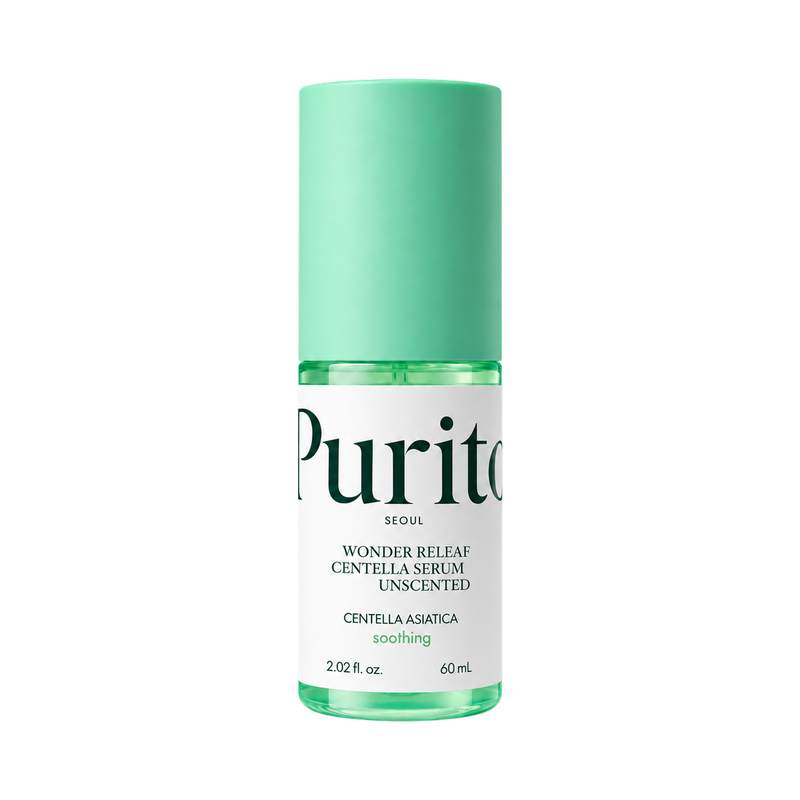
| Field | Anua Azelaic Acid 10 Hyaluron Redness Soothing Serum (this product) | SKIN1004 Madagascar Centella Ampoule | Purito Wonder Releaf Centella Serum Unscented |
|---|---|---|---|
| Main job | Active care for the look of post-blemish marks, texture and oil, with soothing support | Simple soothing and light hydration with a short ingredient list | Soothing serum that pairs centella with niacinamide, panthenol and peptides |
| Key ingredients (brand listings) | Azelaic acid 10% (disclosed), betaine salicylate, panthenol, centella complex, hyaluronic acid | Centella asiatica extract, glycerin, butylene glycol | Centella asiatica extract, niacinamide, panthenol, peptides |
| Texture & finish | Lightweight, non-greasy (brand description) | Fluid, easy to spread, non-sticky finish (brand description) | Serum used before moisturizer; unscented version |
| Routine step | Treatment serum, between toner and moisturizer | Ampoule/serum step | Serum, before moisturizer |
| Size | 30 mL | 55 mL | 60 mL |
| Fits when | Marks and texture are the actual concern, and you will follow a ramp-up | Your skin wants the fewest moving parts and no exfoliating ingredient | You want centella plus a broader supporting cast, in an unscented formula |
| Easy to skip when | Your skin is calm and marks are not a concern | You specifically need an active for lingering marks | You prefer a single-focus centella formula |
Ingredient and texture lines follow each brand’s official listing. “Non-comedogenic” and “low irritation” are Anua’s descriptions of its own product.
BEFORE YOU BUY
QUESTIONS
Follow the official schedule: 1–2 times a week at first, 1–2 drops per use, increasing gradually toward twice a day only as your skin allows. Patch test first. Azelaic acid commonly tingles; burning, swelling or a rash means stop. The brand describes the serum as low-irritation and suitable for sensitive skin, but it contains an active plus betaine salicylate, so your own ramp-up matters more than the marketing.
Anua US official product page — How to use ↗The official directions allow up to twice a day once you have ramped up, with SPF 30 or higher if it is used in the daytime. Many people keep it to the evening while starting, simply because one new active is easier to judge there. Either way, sunscreen is the fixed last step of a morning routine.
No. The label places this serum between toner and moisturizer, but the toner is optional context, not a requirement. If your routine already has a hydrating essence, keep it only if it earns its place — this serum does not need a watery layer underneath to work as directed.
Check the total load rather than looking for permission for one pair. This serum itself contains betaine salicylate, so a BHA toner on the same night is a second exfoliating step. A cautious pattern is to alternate evenings between exfoliating products and keep strong retinoid nights separate until you know your tolerance. Anua publishes no specific pairing prohibitions for this serum; if irritation appears, follow the product’s irritation warnings rather than adding more products.
Yes, once it has dried down — the brand describes a lightweight, non-greasy finish. Apply the serum, let it settle, then moisturizer and sunscreen. If foundation pills, try using less product and allowing more time between layers.
No honest date exists. Ingredient research on azelaic acid measures outcomes over weeks to months, and the brand gives no timeline for this serum. Judge it over a full ramp-up plus several consistent weeks, while following sunscreen directions — unprotected sun exposure works against fading marks.
Marieclat does not make that call. Anua’s US page for this serum does not publish pregnancy or breastfeeding guidance, and the answer depends on your situation, not on a product page. Check the current label and ask your clinician or pharmacist before using any leave-on active in pregnancy or while breastfeeding.
Primary source: Anua US official product page ↗ · checked 2026-10-20. This guide is based on published product information, not on using the product.
04 / THE NEXT STEP
Check the size, full ingredient list, price, stock and delivery to your address on the seller’s page.
SIDE BY SIDE
 Serums
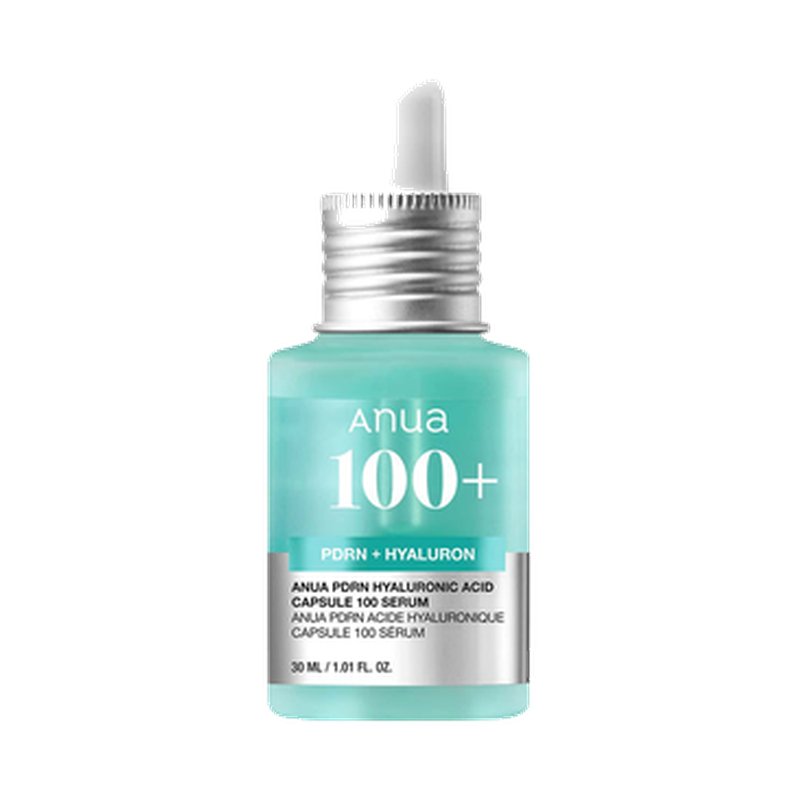
A hydrating serum featuring PDRN, hyaluronic acid and hydrolyzed collagen.
Explore the product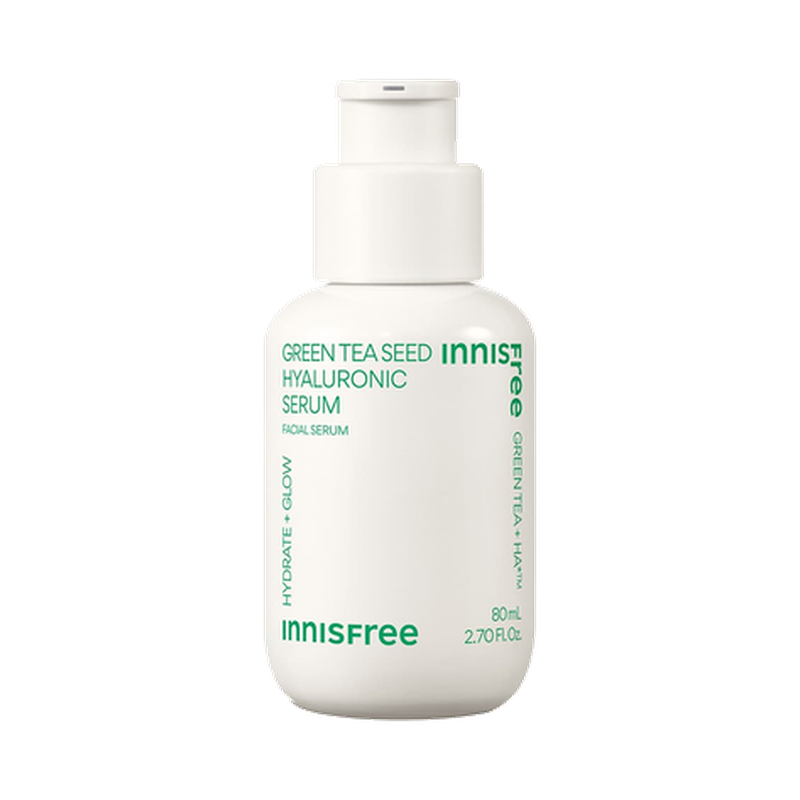 Serums
A water-gel serum featuring green tea and hyaluronic acid.
Explore the product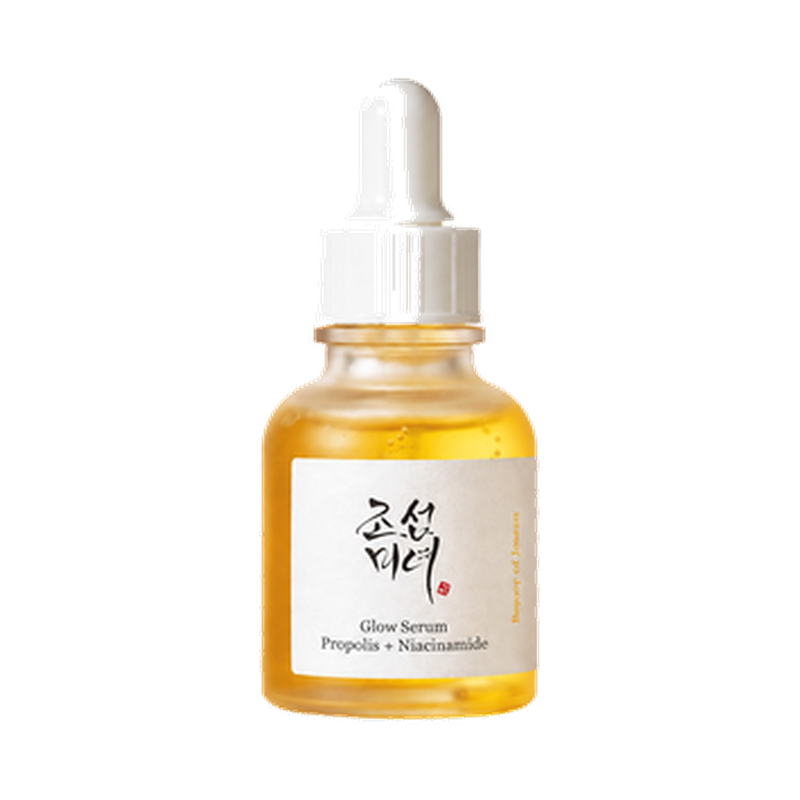 Serums
A propolis and niacinamide serum with a cushiony, honey-like texture.
Explore the productSources checked: 2026-10-17 · Product-page details checked 2026-10-24
Product details follow the linked global / US sources. Check the label sold in your country for ingredients and directions.
Our research and advertising policyYOUR NEXT STEP
Anua · Azelaic Acid 10 Hyaluron Redness Soothing Serum · 30 mL
US / global product information
Keep this product selected while you compare another option. Read the listed differences before checking the seller’s current terms.
Compare this product →Return to its directions, or keep your own notes about the amount, other products used and what you notice.
Read directions and precautions →Arrange the skincare products you have saved in My routine. Opening the tool does not add a product or change your order.
Your notes and saved routine stay in this browser. They are private records, not public reviews or a test of a product’s effects.
Calculations use complete ingredient lists for the stated market and product version. Listed names do not establish concentrations, equivalent effects or allergy suitability.
Explore products in the same use group with overlapping ingredient lists, then compare their texture, directions and ingredient differences.
Candidates share the page’s language, market context and use group and have a complete ingredient list available. Names are normalized for spacing and reviewed synonyms; duplicate names count once.
The default order divides shared names by all distinct names across both lists: 10 shared names out of 20 distinct names gives 10 ÷ 20. You can instead order by the number of shared names. Up to five candidates are shown.
Ingredient overlap does not establish equivalent effects or a cheaper substitute. Concentrations, ingredient order, finished-product tests and feel are not part of this calculation. Missing lists are not treated as missing ingredients.
PURITO SEOUL
18 shared · 17 only in this product · 19 only in candidate
54 distinct names across both lists
Candidate ingredient source ↗ · 2026-10-23
Anua
17 shared · 18 only in this product · 28 only in candidate
63 distinct names across both lists
Candidate ingredient source ↗ · 2026-10-23
SKIN1004
16 shared · 19 only in this product · 27 only in candidate
62 distinct names across both lists
Candidate ingredient source ↗ · 2026-10-31
Beauty of Joseon
13 shared · 22 only in this product · 17 only in candidate
52 distinct names across both lists
Candidate ingredient source ↗ · 2026-10-23
numbuzin
16 shared · 19 only in this product · 31 only in candidate
66 distinct names across both lists
Candidate ingredient source ↗ · 2026-10-23
The products below share listed ingredient names. This does not establish equal concentrations or effects.
Water, Azelaic Acid, Propylene Glycol, Sodium Hydroxide, Dipropylene Glycol, 1,2-Hexanediol, Panthenol, Hydroxyethylcellulose, Betaine Salicylate, Glycerin, Biosaccharide Gum-1, Ethylhexylglycerin, Allantoin, Dipotassium Glycyrrhizate, Melia Azadirachta Leaf Extract, Camellia Sinensis Leaf Water, Sodium Hyaluronate, Melia Azadirachta Flower Extract, Niacinamide, Aloe Barbadensis Leaf Juice, Beta-Glucan, Centella Asiatica Extract, Centella Asiatica Leaf Extract, Centella Asiatica Root Extract, Madecassoside, Asiaticoside, Asiatic Acid, Madecassic Acid, Squalane, Zinc PCA, Butylene Glycol, Pentylene Glycol, Caprylyl/Capryl Glucoside, Hydrogenated Lecithin, Ceramide NP
Ingredient source ↗ · 2026-10-24 · US
As an Amazon Associate I earn from qualifying purchases.