BEAUTY & CULTURE
Sephora Kids: When Anti-Aging Reaches the Tween Bathroom Shelf
The bottles are fun. The routines look irresistible. But what does young skin actually need?
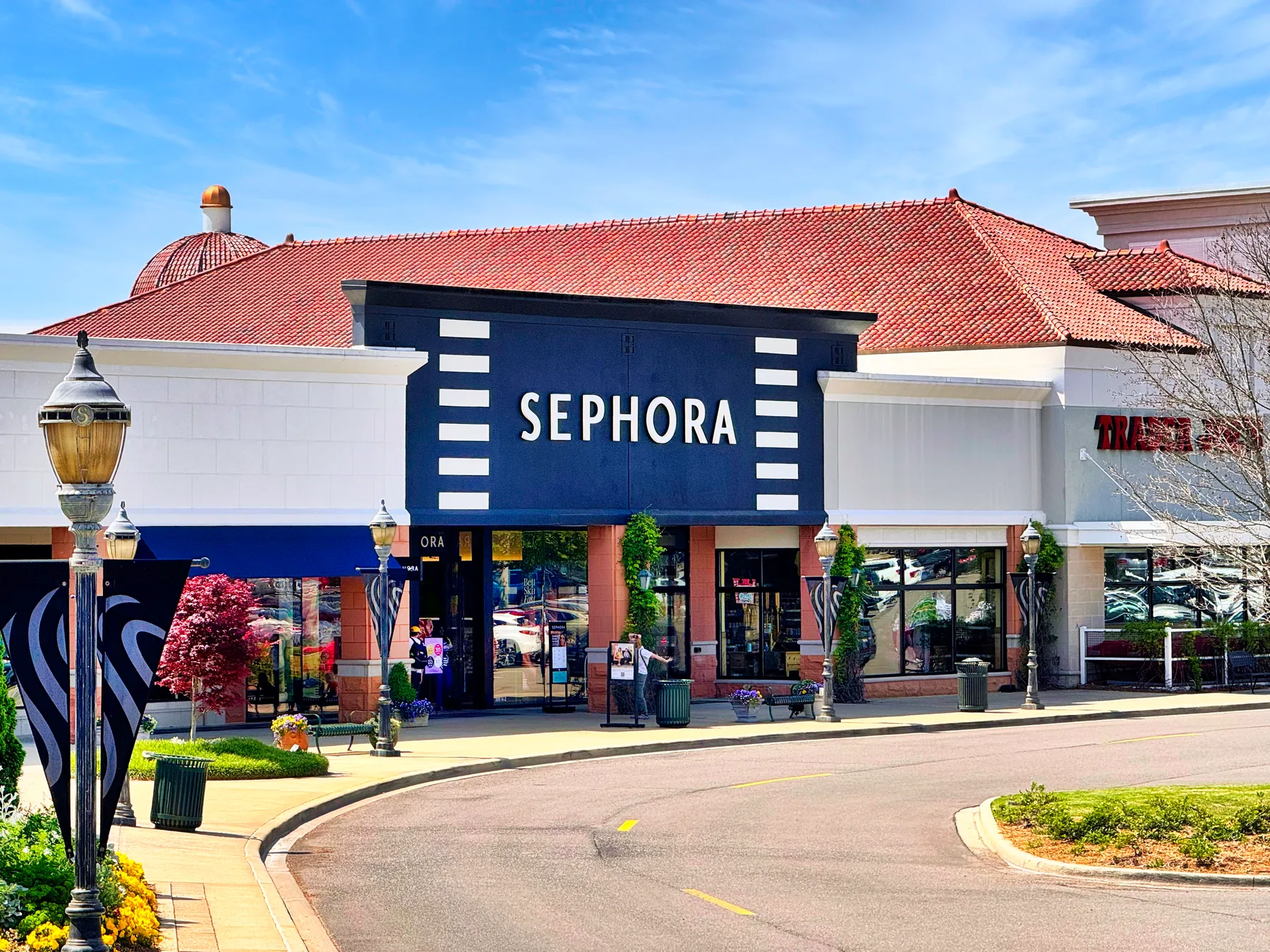

“Sephora kids” is an informal label for children and tweens drawn to trendy skincare, beauty shopping and social-media routines. It is not an official Sephora children’s range. The debate is about expensive consumption, store behaviour and whether adult-purpose skincare belongs in a child’s routine.
Edited
MARIECLAT EDITORIAL · BEAUTY & BELONGING
Why is anti-aging arriving before aging is even a concern?
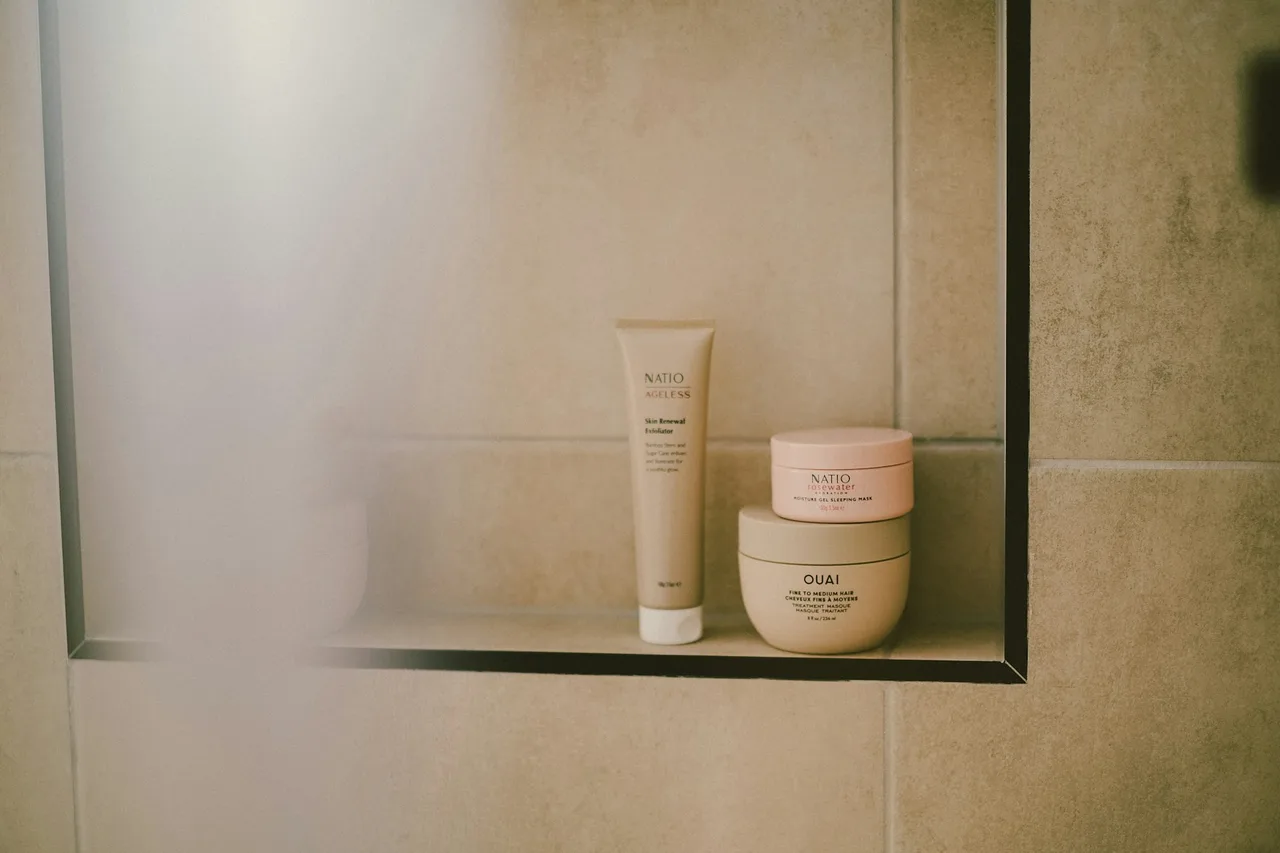
Colorful caps. A satisfying pump. A shelf arranged just so. A skincare video can make the ritual as desirable as the product. Enjoying that world is not, by itself, a problem.
But an appealing ritual and a useful routine are different things. Rather than scolding young shoppers, we want to follow the story through the feed, the family conversation and the people selling the bottles.
- 01 · CURIOSITY
- Wanting a beautiful bottle and needing a skincare step are different reasons to buy.
- 02 · THE ROUTINE
- Different bottles can repeat the same job. The video’s order is not a personal prescription.
- 03 · THE CHOICE
- Before another purchase, name the reason, check what is at home and set a budget.
What does “Sephora kids” mean?
The name comes from the beauty retailer Sephora, but describes a wider social trend: young shoppers collecting fashionable products and copying routines they see online. “Tween” usually describes the years between childhood and the teens; the nickname has no fixed age definition.
An interest in skincare is not itself a skin problem or bad behaviour. Some coverage uses the label critically. A video of one child damaging a tester does not describe every young customer, and a child who needs treatment for eczema or acne is not simply following a beauty trend.
Why did the trend become such a talking point?
Get-ready-with-me videos, often called GRWMs, turn getting ready into something viewers can follow step by step. A recognisable bottle, a creator’s routine and friends discussing the same product can make a purchase feel like participation in a shared activity.
Reporting in early 2024 documented the term and the debate; AFP also linked to a beauty-routine video from 2023. This is not a trend that first began in 2026. Those examples do not establish a single first creator, or prove that the topic is growing every month now.
When a watchable ritual becomes a shopping list
GRWMs let viewers watch the little actions between the before and after: opening a lid, dispensing a product and reaching for the next bottle. The ritual can be part of the appeal. Watching a routine is enjoyable; treating every item in it as necessary is a separate decision.
Are they buying a cream—or a place in the conversation?
An adult may see an expensive jar. A young shopper may see something to talk about with friends, or a small piece of a creator’s appealing daily life. Miss that distinction and the conversation can quickly become “You are too young for this” versus “Everyone else has it.”
A 2026 PLOS ONE study offers a closer look at young people’s own accounts. It analysed 30 interviews with 13–16-year-olds in Poland, conducted in spring 2025. Participants included 27 girls and three boys. The researcher examined routines, online learning and conversations with parents through thematic analysis.
Discovery can come before a need
Some participants described discovering beauty products through recommendations without deliberately following beauty accounts. Seeing a product could lead to looking for more opinions or asking a parent to try it. In those accounts, the feed introduces the want before a search begins with a need.
Young shoppers can be critical, too
The interviews also complicate the idea of children as unthinking luxury shoppers. Participants discussed cheaper alternatives, value for money and parental approval. Wanting an expensive bottle and being capable of weighing a purchase can exist together.
This was a qualitative study using purposive and snowball recruitment, not a representative survey. It helps explain experiences and meanings; it cannot establish how common these habits are among US children, or among young people in Korea or Japan.
Evidence: [7]
Four different concerns are being mixed together
“Why are people upset?” has more than one answer. Store complaints, spending choices, physical reactions and appearance pressure need different responses. Combining them into one claim that all children’s skincare is harmful misses the point.
Interviewees also described skincare as fun and social. That perspective matters: a conversation about needs and spending is more useful than treating curiosity as a fault.
Store manners and skin tolerance need different conversations. Asking staff how a tester should be used and leaving shared displays tidy does not require dismissing a child’s interest in beauty. A spending boundary can also begin with what makes the product appealing, rather than treating the interest itself as silly.
When a child wants to look like someone in a video, we would first ask what they admire. Is it the enjoyable ritual, or do they feel their own skin is inadequate? A product cannot be assumed to answer both questions. This is an editorial way into the discussion, not a diagnosis of an individual child.
Scroll the table sideways on a small screen.
| Concern | What is being questioned | A useful response |
|---|---|---|
| Spending | Buying expensive, fashionable products without a clear need | Give each purchase a purpose and discuss a budget. |
| Store testers | Reports of mixing, mess and damaged displays | Discuss shared products, hygiene and respectful behaviour. |
| Skin irritation | Layering adult anti-aging or exfoliating products | Review what is being used and why; stop a product that causes a reaction. |
| Appearance pressure | Treating normal young skin as something to fix | Talk about editing, advertising and realistic skin appearance. |
What should the people selling the products explain?
Before making this entirely a conversation about children’s choices, look at the shelf itself. Packaging communicates desire quickly. Product purpose, age suitability and warnings need to be understandable before someone buys.
One brand, different purposes
Drunk Elephant has a Younger Fans section in its official FAQ. It says not every product is intended for customers aged 12 and under, generally discourages high concentrations of actives addressing concerns absent at that age, and lists products it does not recommend for that group. It also emphasises starting with basics rather than buying everything.
That is the brand’s own product guidance, not an independent medical assessment or a Marieclat endorsement for children. Its useful distinction is that a brand name alone does not tell you whether a particular formula serves a young person’s needs.
Sephora’s 2026 agreement: make warnings visible
Retailer disclosure has also become the subject of an enforceable agreement. On April 20, 2026, Connecticut’s attorney general announced safeguards agreed by Sephora to resolve an investigation. The measures below concern information available before purchase, rather than simply telling young shoppers to behave differently.
This is not a worldwide ban on selling skincare to under-13s, nor evidence that the same agreement applies in Korea or Japan. We checked the Connecticut announcement; we have not audited every Sephora product page for compliance.
Scroll the table sideways on a small screen.
| Agreed safeguard | What it means before buying |
|---|---|
| Collect supplier warnings | Obtain manufacturers’ warnings and disclaimers about suitability for under-13s. |
| Display warnings on product pages | Make those warnings clear and conspicuous where the products are sold online. |
| Train customer-facing employees | Help staff identify potentially unsuitable products and explain manufacturers’ warnings. |
| Maintain a visible web resource | Explain products that may not be suitable for children under 13. |
Six products. A $168 routine. What was in those videos?
The 2025 Pediatrics study examined 100 TikTok skincare videos. Two investigators each created an account identifying as age 13 and collected videos from the recommended feed. Creators were aged seven to 18. The team recorded the products, ingredients and cost of the routines.
An average of six products describes what appeared in the videos; it is not a recommended number or a safety threshold. The $168 figure is the average combined product price per routine at the time, not monthly spending, a current price quote or an essential budget.
In the 25 most-viewed videos, researchers identified an average of 11 potentially irritating active ingredients per routine, with a maximum of 21. They did not apply these products to children and examine the results. Ingredient screening cannot establish an allergy rate or diagnose harm in an individual creator.
Different bottles can repeat a job
The useful question is not simply whether six bottles are too many. It is whether the jobs overlap. As an illustrative example, an exfoliating toner followed by another exfoliating serum may repeat a purpose despite the different branding. This is an explanation, not a reconstruction of a participant’s routine.
A repeated ingredient name does not automatically make a combination unsafe: concentration, formulation, amount and frequency matter. A label cannot calculate total exposure for us, but it can prompt “What is this bottle adding that the previous one did not?”
Scroll the table sideways on a small screen.
| What was examined | Finding | How to read it |
|---|---|---|
| Recommended-feed videos | 100 videos; creators aged 7–18 | Not a representative sample of children worldwide. |
| Products shown | About 6 per routine on average | Not a recommendation or a safe upper limit. |
| Combined product prices at the time | US$168 per routine on average | Not monthly spending or an essential current budget. |
| Potentially irritating actives in the top 25 videos | Average 11; maximum 21 per routine | Ingredient screening, not measured clinical outcomes. |
Adult anti-aging is different from treating teen acne
A child does not need a wrinkle-prevention routine simply because an adult creator uses one. The American Academy of Dermatology advises keeping care gentle and simple, with cleansing, moisturising and sun protection suited to the person’s skin and activities.
Acne is a different question. A dermatologist may recommend a retinoid or salicylic acid for a tween or teen with acne. That is different from copying an adult anti-aging routine. Follow the exact medicine or product label and clinical advice; an ingredient name alone is not a universal age rule.
A bottle sold in Korea, the US or Japan can have different directions and market status. Our general K-beauty product pages do not establish that those products are appropriate for children.
Name the concern before choosing a trend
Imagine a child who dislikes tightness after washing but wants another product because a video says it is good for pores. Is the immediate concern discomfort, the appearance of pores or wanting to try the trend? Naming the problem first is more informative than selecting a popular active and inventing a reason for it afterwards.
Try writing a job beside each item already at home: cleansing, moisturising or sun protection. Keep prescribed treatment separate. This is not a fixed routine for every child; it is a way of seeing which decisions concern daily care, which concern medical treatment and which are purchases made for enjoyment.
Before buying: four questions to ask together
Start with what the child wants to change: uncomfortable dryness, breakouts, sunscreen for outdoor activity, or simply wanting the product seen in a video. These are different reasons and do not all call for another serum.
Ask what each product does, whether there is already something at home for that job, what its label says, and whether the recommendation is advertising. Add products individually instead of starting a whole new routine together, so a reaction is easier to trace.
If a product stings or causes redness, stop using it. Persistent irritation, painful acne or scarring deserves medical assessment rather than another social-media recommendation. “Natural”, “vegan” and a high price do not guarantee a good match.
A conversation before a yes or no
Here is one conversation to try: “What did you like about that video?” followed by “What seems different from the things we already have?” “The packaging is cute” can be an honest answer. It helps to know whether the purchase is about an expected skin benefit or simply something they would enjoy owning.
A budget can include when to revisit a purchase, not just a yes or no at the checkout. Waiting to buy something does not have to mean dismissing the interest. These scenarios and prompts are Marieclat’s suggestions for a conversation, rather than accounts of families we interviewed.
Questions, answered
Is Sephora kids an official brand or membership?
No. It is a social and media nickname, not the name of an official Sephora kids programme or a medical age category.
Is all skincare bad for children?
No. Basic hygiene, managing dryness, sun protection and treatment for a diagnosed condition are different from copying a complex adult beauty routine. Needs, age, symptoms and the actual product instructions matter.
Does the TikTok study prove the children developed allergies?
No. It analysed videos and product ingredients. It identified potential exposure to irritating or allergenic ingredients, rather than examining children to measure diagnosed allergic reactions.
Should a teen stop prescribed acne treatment because it contains a retinoid?
Do not treat advice about unnecessary cosmetic anti-aging as a reason to abandon prescribed acne treatment. Ask the prescribing clinician how to use it and what to do about irritation.
Sources and verification dates
Sources checked: 2026-10-29
- ABC News · Interviews on the Sephora kids trend (2024-02-21) ↗Original reporting · English
- AFP · Sephora kids: social videos and expert interviews (2024-03-04) ↗Original reporting · English
- Hales et al. · Pediatric Skin Care Regimens on TikTok, Pediatrics (2025), DOI: 10.1542/peds.2024-070309 ↗Research abstract · English
- American Academy of Dermatology · A dermatologist’s guide to skincare (2025-10-28) ↗Dermatology guidance · English
- American Academy of Pediatrics · Viral Skin Care Trends for Tweens and Teens ↗Pediatric guidance · English
- Northwestern University · Researchers explain repeated ingredients in social-media routines (2025-06-04) ↗Research institution announcement · English
- Dobrogowska — Early incorporation of body capital in adolescent beauty culture, PLOS ONE (2026-09-16) ↗Qualitative research · 30 interviews in Poland; non-representative sample
- Drunk Elephant — Official FAQ, Younger Fans ↗Brand product guidance · commercial source, not independent medical advice
- Connecticut Attorney General — Sephora safeguards announcement (2026-04-20) ↗Government announcement · US agreement; not a worldwide sales ban