FIRST, FIND YOUR SITUATION
Sensitive skin: what are you trying to change?
- If a product is causing burning or redness now
Wash off the product and stop using it. Do not try to solve an active reaction by adding more cosmetics. Seek medical care for a severe or persistent reaction. - If your current product is comfortable
You do not need a replacement solely because another product says “sensitive.” Identify what you want to change before buying. - If you need a new product
Choose the missing role first, then exclude known triggers. For a moisturizer, use the two different starting points below.
Testing and reactions · American Academy of Dermatology ↗ · 2026-10-25
Two moisturizer starting points
These two products serve different roles in a routine. Neither is a universal sensitive-skin recommendation; use the linked detail pages to check the exact version and purchase route.
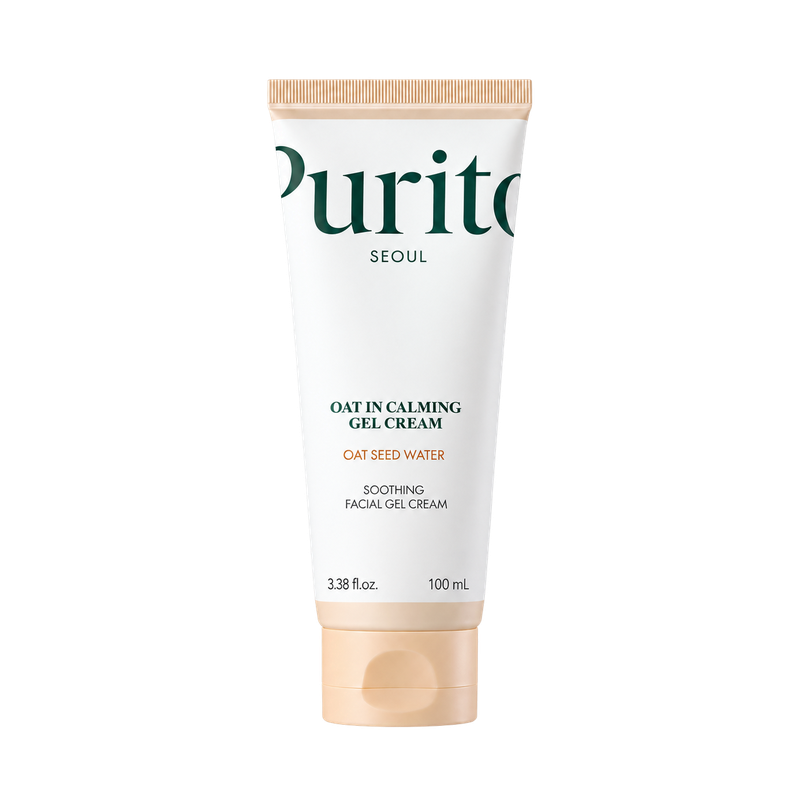
Start here if a lightweight gel is your priority
PURITO SEOUL · Oat In Calming Gel Cream →PURITO describes a quick-absorbing gel finish. Its global formula lists 77% oat seed water, glycerin, squalane and panthenol. This is the format candidate to examine before a cream if you dislike a heavy finish.
Check before choosing
Avoid it if oat is a known trigger for you. The brand’s texture description is not our wear test, and it does not predict your reaction.
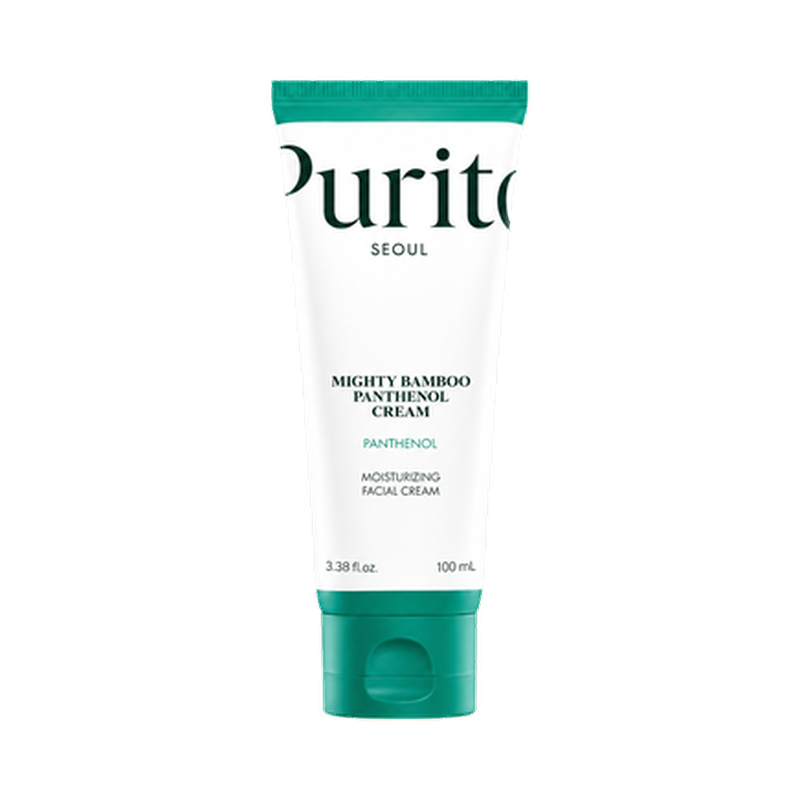
Start here if you want a cream with a declared panthenol level
PURITO SEOUL · Mighty Bamboo Panthenol Cream →The global formula declares 10% panthenol and also lists squalane and niacinamide. Consider it when those are ingredients you want and already tolerate; it provides a concrete formula difference from the oat gel.
Check before choosing
If niacinamide is an ingredient you need to avoid, leave this one out. A higher declared panthenol level does not establish better results than the oat gel.
Compare the oat gel and bamboo cream by your priority →
These are editorial choices based on declared formulas and directions, not our wear tests or an allergy diagnosis. Introduce one new product at a time and read the testing guidance below.
YOUR SITUATION → YOUR CHOICE
Turn label claims into useful questions
Keep a note of products you already tolerate and any known triggers. Use that history to read a new label instead of looking for a single reassuring word.
| On the label | What to ask | What it cannot tell you |
|---|---|---|
| Sensitive skin / soothing | What was tested, on whom, and for how long? | That nobody will react |
| Unscented | Does the brand also state fragrance-free? | That fragrance-related ingredients are absent |
| Centella / oat / natural | What else is in the complete formula? | That a familiar plant makes the whole formula suitable |
| Short ingredient list | Does it still contain a known trigger for me? | That fewer ingredients always mean better tolerance |
Vegan, cruelty-free and fragrance labels: what is the difference?
LABEL CHECK / NOT A SAFETY RATING
Product labels you can compare
These are not “safe for everyone” picks. The linked PURITO pages display Vegan Friendly, Cruelty Free and No Synthetic Fragrance for these four catalog items. Read the exact label for the market and version you buy.
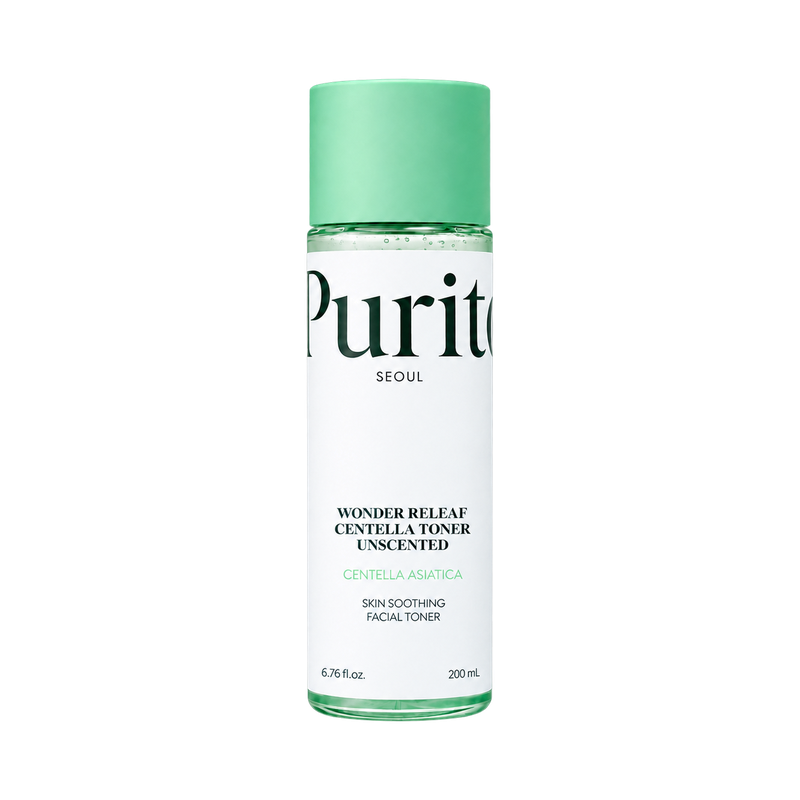
VEGAN FRIENDLY · CRUELTY FREE · NO SYNTHETIC FRAGRANCE
PURITO SEOUL · Wonder Releaf Centella Toner Unscented
A centella toner made without fragrance or essential oils, according to PURITO.
Ingredients may still have a natural scent. Select ‘Unscented’, not the original toner.
Check the brand’s current label ↗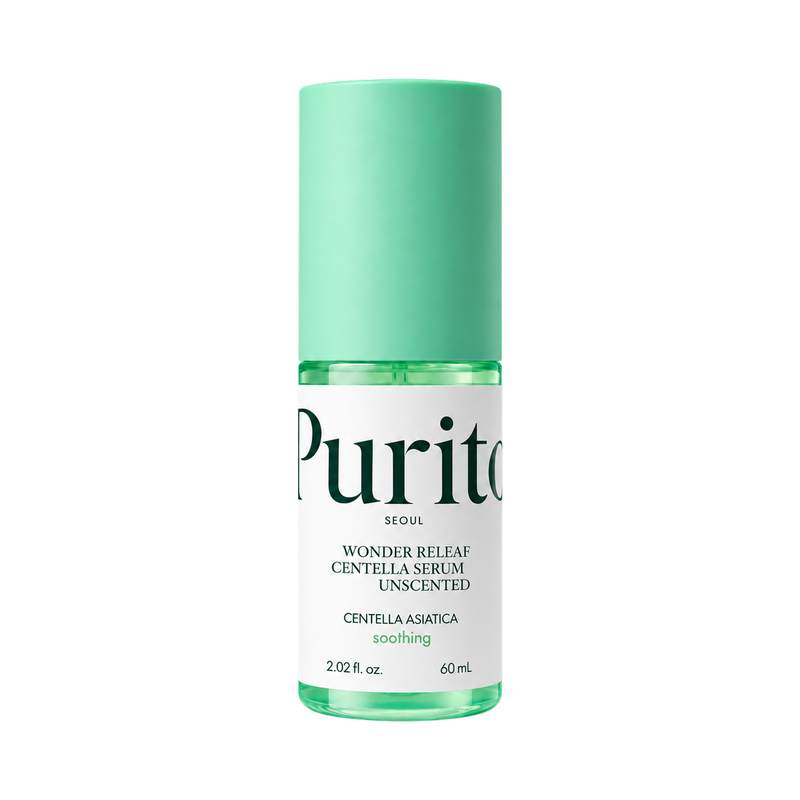
VEGAN FRIENDLY · CRUELTY FREE · NO SYNTHETIC FRAGRANCE
PURITO SEOUL · Wonder Releaf Centella Serum Unscented
A centella serum with niacinamide, panthenol and peptides in a pump bottle.
Choose the Unscented version. PURITO has renewed its formula and packaging, so compare the ingredient list on the bottle you buy with the current official list.
Check the brand’s current label ↗VEGAN FRIENDLY · CRUELTY FREE · NO SYNTHETIC FRAGRANCE
PURITO SEOUL · Oat In Calming Gel Cream
A lightweight gel cream with 77% oat seed water and squalane.
Check the exact package for fragrance and any ingredients you already avoid; oat alone does not predict tolerance.
Check the brand’s current label ↗VEGAN FRIENDLY · CRUELTY FREE · NO SYNTHETIC FRAGRANCE
PURITO SEOUL · Mighty Bamboo Panthenol Cream
A moisturizer with 10% panthenol, squalane and bamboo extract.
Check the exact package for fragrance and any ingredients you already avoid; formulas can change.
Check the brand’s current label ↗Product examples for the choices explained above
A smooth gel with a non-sticky finish in PURITO’s description.
Brand photo & description ↗Tube cream; PURITO describes a glowy finish.
Brand photo & description ↗Where to buy these products
PURITO SEOUL · Oat In Calming Gel Cream
PURITO SEOUL · Mighty Bamboo Panthenol Cream
Past skin reactions matter more than product slogans
Make a short note of products that felt uncomfortable and any ingredients a clinician has told you to avoid. Do not diagnose an allergy from a long ingredient list or assume that one shared ingredient explains every reaction. These pages help compare products; they cannot identify the cause of a skin problem.
If you do not know your triggers yet
There is no universal ingredient avoid-list for sensitive-feeling skin. Start with the exact formula and version, not a reassuring headline. Rule out a product if it contains something you already reacted to or were advised to avoid; otherwise, keep the rest of your routine steady while you introduce one product at a time. Look for a specific fragrance statement rather than treating “unscented”, “natural” or “hypoallergenic” as a guarantee.
Read the limits behind sensitive-skin claims
Check whether “fragrance-free” is stated by the brand and which market’s formula the statement covers. “Unscented” is not necessarily the same as fragrance-free. A test claim also needs its conditions: the innisfree Japan page explicitly says that its low-irritation test does not rule out irritation for everyone.
A small-area trial has limits
The AAD’s home-testing guide explains where, how often and how long to try a product. Follow it alongside the product’s directions. This is different from medical patch testing. If a reaction develops, stop using the product; severe or persistent symptoms call for professional advice.
A few useful answers
What should I rule out before I buy?
Rule out a version whose label lists a known trigger for you, or a product whose current ingredient list you cannot confirm. If you do not know your triggers, do not assume there is one universal ingredient to avoid; introduce one new product at a time and follow small-area testing guidance.
Can I choose a product just because it says natural?
No. Natural describes an ingredient’s origin, not whether your skin will tolerate the finished product.
Can another person’s review confirm that it is safe for me?
No. A review describes that person’s experience. It cannot establish your own tolerance or diagnose a reaction.
Are toner pads a good idea for sensitive-feeling skin?
A pad adds two variables a liquid toner does not: the wiping motion and the leave-on time before wiping. If your skin dislikes friction, a liquid toner applied with your hands is the simpler format to compare first. If you do try a pad, follow its directions exactly and introduce it on its own, not on the same day as another new leave-on product.
Do you need a toner? Liquid toners, toner pads and where they fit ↗