A long flight can turn a simple question into a very full wash bag: should you cleanse at your seat, wear a sheet mask, spray your face, or start again after landing? Start with what you will actually need. Comfortable skin can be left alone, and the routine you already know is a useful starting point.
Three moments to plan, not ten products to pack
Before boarding
Use familiar skincare and pack what you will use.
During the flight
Check comfort before adding another layer.
After landing
Remove what needs removing, moisturize, then plan for outside.
Before boarding: keep the routine familiar
Use your usual cleanser when you need to remove makeup, sunscreen or the day’s buildup. Follow with a moisturizer you already tolerate if your skin needs it. The useful question is what keeps you comfortable through the journey, rather than how many hydrating steps you can fit in.
Leave the first trial of a new exfoliant or active serum for another day. If you use a prescribed treatment, follow the prescriber’s schedule; the flight is not a reason to rearrange it yourself. A short trip with comfortable skin may need very little attention between your normal morning and evening routines.
In the cabin: respond to tightness without restarting everything
If skin feels comfortable, you can leave it alone. If it feels dry, a familiar moisturizer on the areas that need it, or a lip balm you already like, may be all you want. Clean your hands before touching your face or dipping into a jar.
You do not have to wash your face in an aircraft lavatory simply because several hours have passed. Decide whether there is makeup or sunscreen to remove and whether you have the space and supplies to do that comfortably. Follow the remover’s directions instead of repeatedly rubbing at skin to feel extra clean.
A mist or sheet mask is optional. Check the product’s own use time and removal instructions, and be considerate of fragrance and spray around nearby passengers. If you prefer a simple cream, there is no missing in-flight step to fill.
After landing: match the next step to the rest of your day
For a late arrival straight to bed, remove makeup or sunscreen as your products direct, cleanse gently if needed, and moisturize. You can return to your regular routine instead of adding an exfoliating or “detox” treatment for the flight.
For an arrival followed by time outside, plan sunscreen separately. Follow the exact product’s application and reapplication directions and use shade and clothing as appropriate. A face mist, hydrating mask or moisturizer without a sunscreen label does not fill that role.
Why can skin feel dry on a long flight?
A small study measured surface hydration during long-distance flights in eight women who had stopped using skincare before travelling. It found a reduction in measured skin hydration as cabin humidity fell. The study helps explain a possible source of discomfort, but it did not test a moisturizer, mist or mask.
It cannot tell us which product to buy or how every passenger will feel. Cabin conditions, your starting skin condition and what you normally use can differ. A comfortable routine is a more practical goal than trying to reproduce an influencer’s entire flight ritual.
Guéhenneux et al., 2012 · eight-person flight study, abstract ↗
Pack for your departure and transfer airports
Keep essential skincare where you can reach it, in suitable, clearly identified containers. Check container capacity as well as how much product remains, and keep the product directions available if you decant it.
For US security screening, check the current TSA liquids guidance for creams, gels, mists and other liquids, including any applicable exceptions. For a departure or connection elsewhere, check that airport’s rules too. One airport’s rules do not guarantee admission at the next checkpoint.
Incheon’s international-flight guidance currently describes containers of 100 mL or less inside one transparent, resealable bag of up to 1 L per person. Its domestic-flight conditions differ. These are security limits, not a reason to buy a new skincare set, and they do not settle airline hazardous-material restrictions for sprays.
Incheon Airport · restricted items and international-flight liquids ↗
What actually earns space in the bag?
Start with your usual moisturizer and lip care. Add a remover or cleanser if you expect to use it before reaching your accommodation, and sunscreen if you will need it for the next part of the day. Each item should have a job in your plan.
You do not need to pack a toner, essence, serum, mist and mask for the same hydration goal. If your current routine already works, keep it recognizable. If an unfamiliar product burns or stings, stop using it; persistent or significant symptoms deserve medical advice.
Choose the version that fits your journey
| Your situation | What to plan |
|---|---|
| Makeup-free and comfortable | Keep the routine short. Check how skin feels before adding anything. |
| Wearing makeup through a long journey | Plan when and where you can remove it comfortably; bring the products needed for that removal. |
| Landing at night | Gentle removal/cleansing as needed, then your usual moisturizer. |
| Landing and going outside | Follow sunscreen directions for the outdoor part of the day. |
Compare familiar moisturizer formats before buying another one
These are existing product pages to compare texture, ingredients and directions. Check the actual pack you intend to carry against airport rules.
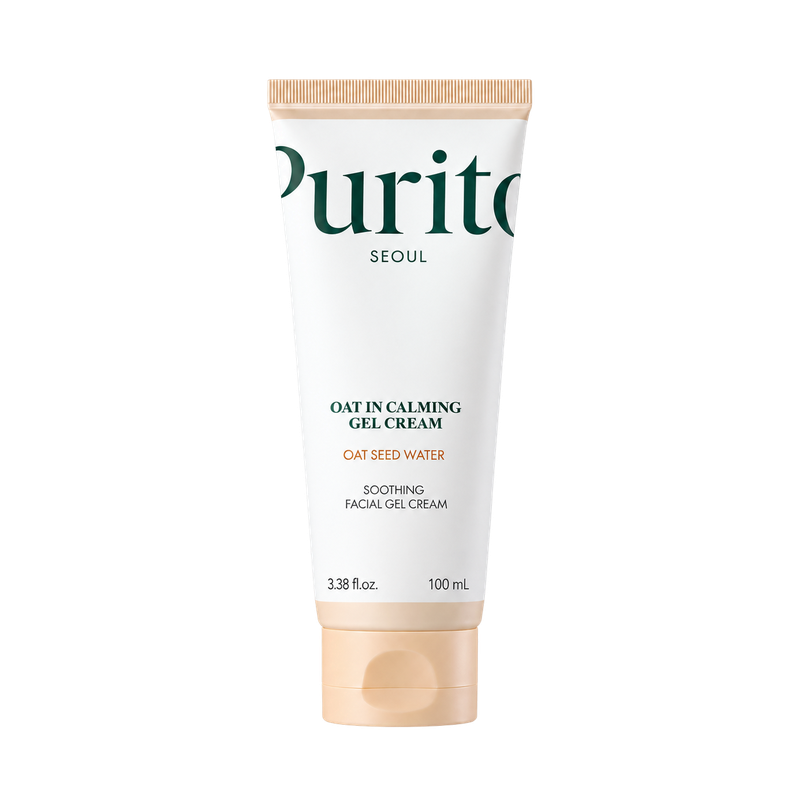
PURITO SEOUL · Oat In Calming Gel Cream
Read ingredients, texture and directions →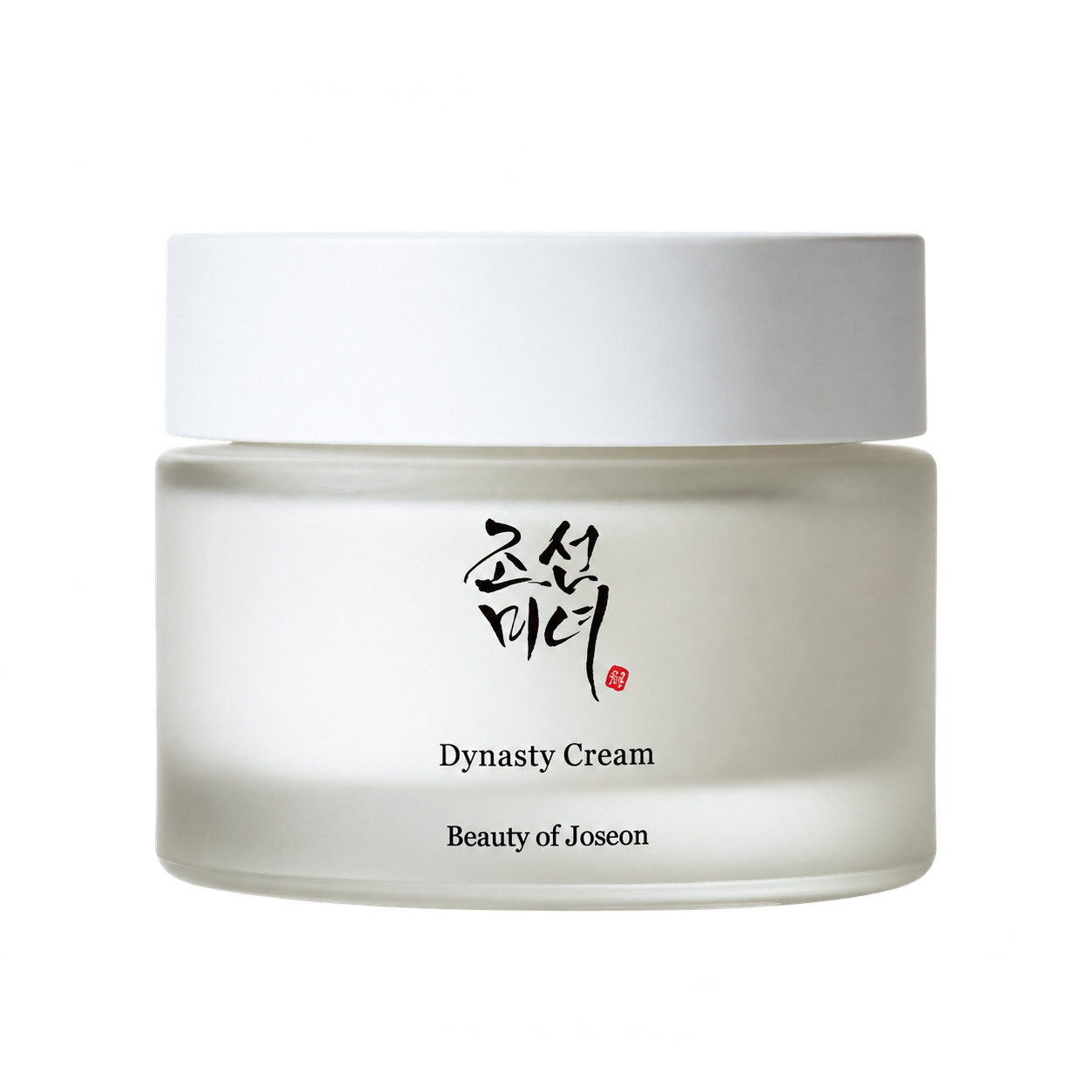
Beauty of Joseon · Dynasty Cream
Read ingredients, texture and directions →Questions, answered
Do I need to wash my face on a plane?
Cabin time alone does not require a wash. Plan cleansing around what you need to remove and the directions for your products.
Is a sheet mask necessary during a long flight?
No. It is optional, and the small flight study did not test masks. Follow the packet’s use time if you choose one.
Can I bring a large bottle that is almost empty?
Check the container-capacity rule for your departure and transfer checkpoints. An almost-empty bottle is not automatically treated as a smaller container.
Should I change my retinoid schedule before flying?
Follow the exact product or prescription directions. Ask your prescriber if the journey or a time-zone change creates a question about a prescribed medicine.
Does a flight mean I need a richer cream?
Not automatically. Try the familiar moisturizer that already feels comfortable; choose a different texture only if there is a need, rather than because a product is marketed for travel.
Sources and what they support
- AAD · general dry-skin care ↗
- Guéhenneux et al., 2012 · eight-person flight study, abstract ↗
- Incheon Airport · restricted items and international-flight liquids ↗
Edited and sources checked: November 10, 2026. The flight research was checked at abstract level; no Marieclat flight or product testing is claimed.