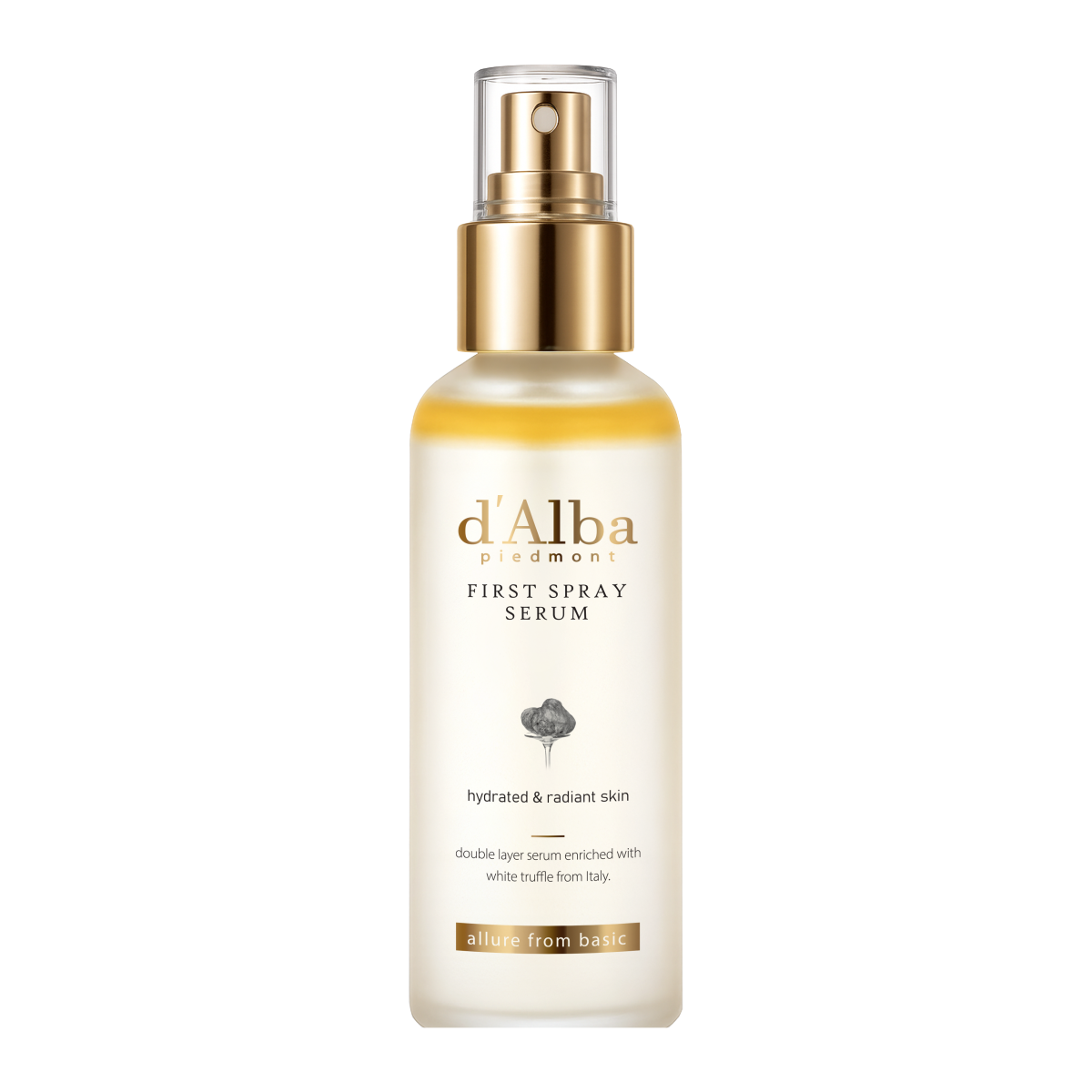
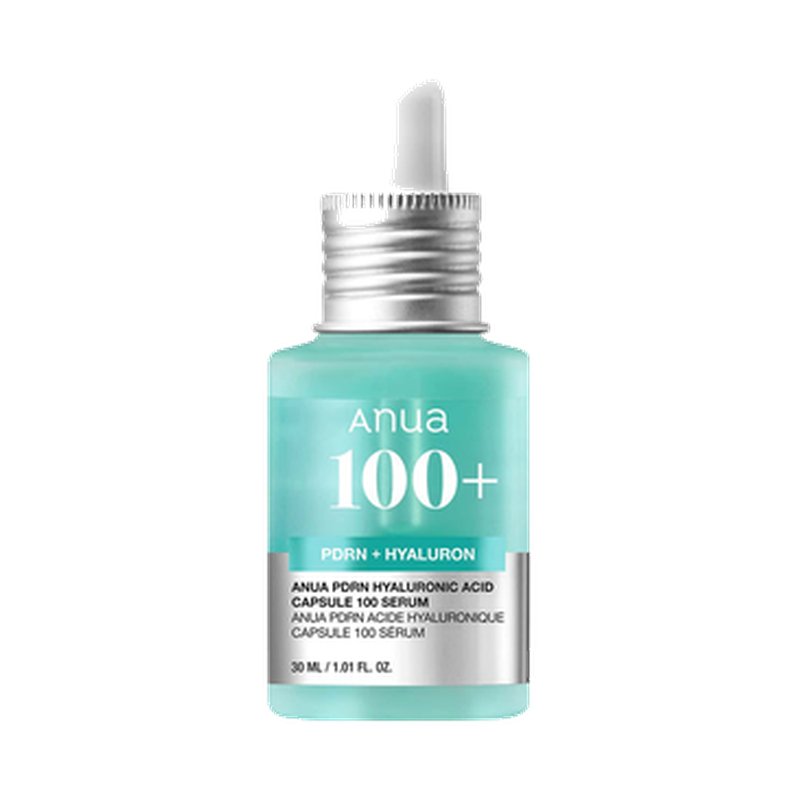
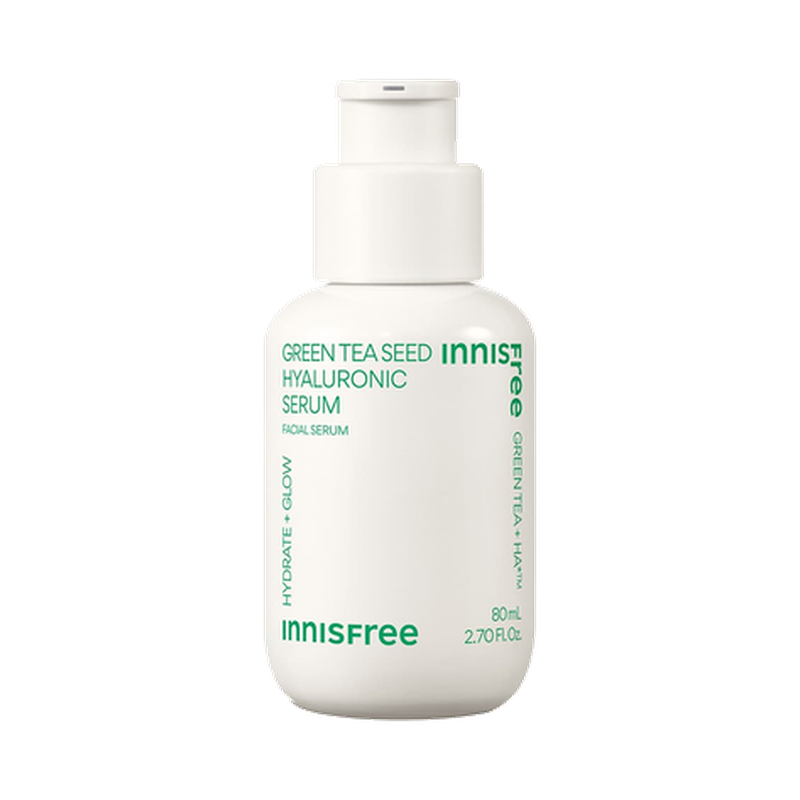
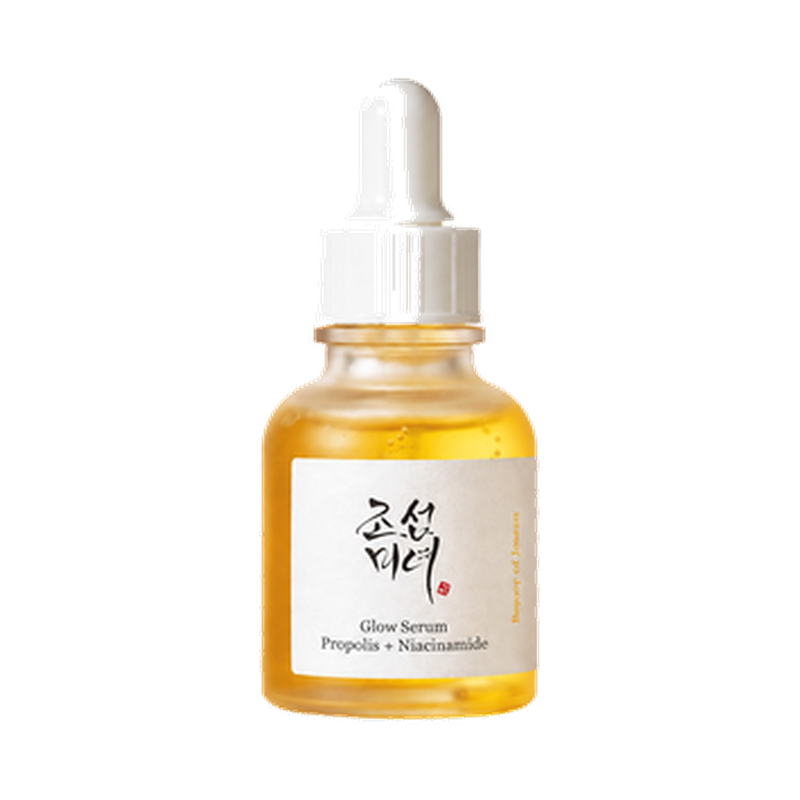
A two-layer face mist for use before, during or after makeup. The 100 mL formula includes niacinamide, avocado and sunflower oils, white truffle extract and fragrance.
Consider it if you want an oil-and-water spray format that can sit between skincare steps or around makeup. Its list includes avocado and sunflower oils, white truffle extract, niacinamide and fragrance.
Based on brand information and published sources, not a hands-on review.
01 / TEXTURE
Texture and format
Brand description
d’Alba describes this as a double-layer spray serum.
03 / YOUR ROUTINE
How to use it in your routine
Official directions
d'Alba positions it as skin prep before makeup, a spray for smoothing makeup during application, and a finishing mist afterward. The brand suggests 4–5 spritzes for its glow routine and says it can be reapplied; follow the label on the bottle you receive.
Fragrance, linalool, hexyl cinnamal, limonene and citronellol are listed. The brand reports small consumer-study results, but those numbers do not establish the same outcome for every user. The Amazon ounce value is a volume conversion, not evidence of a different product.
d’Alba describes First Spray Serum as a double-layer spray serum, with 50 mL and 100 mL options. The 3.38 fl oz Amazon US listing corresponds to the 100 mL option. It is a spray serum, separate from d’Alba’s White Truffle Balancing Water Cream.
When does d’Alba say to use it around makeup?
The U.S. page positions the spray before makeup as skin prep, during makeup to smooth cakey areas, and after makeup as a finishing mist. It also recommends 4–5 spritzes for its glow routine and frequent reapplication. These are the brand's application directions; they do not show that the spray fixes every type of makeup or replaces sunscreen.
What’s in the ingredient list?
The formula lists niacinamide, hydroxyethyl urea, avocado oil, sunflower oil, white truffle extract and several botanical extracts. It also lists fragrance, linalool, hexyl cinnamal, limonene and citronellol. If you avoid fragrance or specific fragrance components, the full list gives you a concrete basis for comparing another spray.
What does the brand’s study report?
d’Alba reports study results for oil reduction, wrinkle reduction, flaky-skin relief and facial lifting, with sample sizes of 20, 22 and 21 for different measures. The product page does not give full participant details, measurement methods, controls or a study protocol. These are manufacturer-reported results, not a prediction of what you will see.
How does it compare with another face mist?
haruharu’s Black Rice Probiotics Barrier 2% NAD+ Serum Mist is an 80 mL spray product with a brand-stated 2% NAD+ claim. Both products are sprays, but their formula details and directions differ. Compare their ingredient lists and intended application; neither page establishes that one is better.
Official ingredient list ↗. Ingredient roles explain the formula. See the sourced product information and evidence limits below.
BRAND-REPORTED EVIDENCE
Official formula and use information
The brand reports consumer-study outcomes and sample sizes of 20–22 participants across the measures. The product page does not provide a full protocol, control group, participant details or measurement methods. The percentages do not predict an individual result.
How does d’Alba First Spray Serum compare with haruharu Black Rice Probiotics Barrier NAD+ Serum Mist?
Both are spray products. d’Alba positions First Spray Serum around makeup application, while haruharu’s 80 mL mist carries a brand-stated 2% NAD+ claim. Compare the ingredient lists and directions; these product pages do not establish which will suit you better.
Arrange the skincare products you have saved in My routine. Opening the tool does not add a product or change your order.
Your notes and saved routine stay in this browser. They are private records, not public reviews or a test of a product’s effects.
Products with overlapping ingredient lists
Calculations use complete ingredient lists for the stated market and product version. Listed names do not establish concentrations, equivalent effects or allergy suitability.
Explore products in the same use group with overlapping ingredient lists, then compare their texture, directions and ingredient differences.
How are candidates selected?
Candidates share the page’s language, market context and use group and have a complete ingredient list available. Names are normalized for spacing and reviewed synonyms; duplicate names count once.
The default order divides shared names by all distinct names across both lists: 10 shared names out of 20 distinct names gives 10 ÷ 20. You can instead order by the number of shared names. Up to five candidates are shown.
Ingredient overlap does not establish equivalent effects or a cheaper substitute. Concentrations, ingredient order, finished-product tests and feel are not part of this calculation. Missing lists are not treated as missing ingredients.