Hydration · Beyond the headline
Beta-Glucan for Skin: Another Serum, or a Useful Moisturizer Ingredient?
Topical beta-glucan may support hydration in a moisturizer. Small human studies report improved moisture measurements with specific formulas, but do not prove that every beta-glucan serum repairs the barrier or treats a skin condition. Source, structure, amount, and the rest of the formula matter.
Published October 31, 2026 · Sources and labels checked October 31, 2026 (KST)
One ingredient name, several different materials
- Source
Yeast, fungi and oats can yield different materials.
- Formula
The base and other moisturizers contribute too.
- Evidence
Check which material and body site were tested.
What beta-glucan is—and why source matters
Beta-glucans are glucose-based polysaccharides, a family rather than one identical molecule. They can come from yeast, fungi, oats, and other sources; the links between glucose units, processing, solubility, and molecular size can differ. Those differences affect how a material behaves in a formula, so a result from one specific beta-glucan cannot automatically be applied to another.
In skin care, beta-glucan may help hold water at the surface. That does not prove it rebuilds damaged skin, treats inflammation, or produces lasting changes after use stops. Other ingredients also affect a moisturizer’s performance.
What human topical studies found
The human evidence is promising but narrow. In one study, 20 adults applied a gel containing 3% purified beta-glucan isolated from molasses yeast to their forearms twice daily for 14 days; a gel base was the control. Corneometer readings showed a reported 9% hydration increase with the beta-glucan gel versus 5% with the base. This was a small study of a specified yeast-derived material and short-term forearm hydration—not a test of a current face serum. Original study
A 2008 report described two randomized, double-blind, placebo-controlled trials of a chitin–beta-glucan copolymer. Thirteen volunteers with sensitive skin used 0.5–2% formulas twice daily for six weeks; a separate group of 20 men with signs of skin aging used a 1.5% formula twice daily for 16 weeks. The researchers reported increased stratum-corneum hydration in both and modestly lower water loss in the first study. Because the ingredient was a chitin–glucan blend, not beta-glucan alone, and the samples were small, it cannot isolate beta-glucan’s effect. Gautier et al., 2008
A separate 30-person randomized study tested a 2.5% chitin–glucan product on foot dryness in menopausal women with diabetes. Applied once daily for three weeks, it improved measured moisture versus placebo, with follow-up two weeks after treatment. The population, body site, and combined ingredient make this poor evidence for a general facial-serum promise. Quatresooz et al., 2009
Beta-glucan, hyaluronic acid, and colloidal oatmeal
| Ingredient or product | What it is | How to read the evidence |
|---|---|---|
| Topical beta-glucan | A varied family of water-attracting polysaccharides | Formula- and source-specific; small human studies mostly measure hydration |
| Hyaluronic acid | A different water-binding molecule used in skin care | Also helps attract and hold water; no ingredient wins for everyone across products |
| Colloidal oatmeal | Finely processed whole oat flour with beta-glucans plus starches, proteins, lipids, and other oat components | Evidence for an oatmeal formula cannot be assigned to beta-glucan alone |
| Oral beta-glucan supplement | A swallowed ingredient with a different route and exposure | Supplement findings do not demonstrate what a topical formula does on skin |
Both beta-glucan and hyaluronic acid can serve as humectants. Neither ingredient is a universal hydration winner. A short supplier comparison of isolated solutions under patches is not a head-to-head trial of everyday moisturizers. Supplier test conditions.
Colloidal oatmeal contains other oat components as well as beta-glucans. Its product evidence cannot be credited to purified beta-glucan alone. If you have a known oat allergy, check the whole formula and discuss suitable choices with your clinician; a source name by itself does not predict tolerance to every beta-glucan material. Oat-product review.
Topical products are not supplements
A serum is applied to skin; a supplement is swallowed. They differ in dose, route, formulation, and the biological exposure being studied. A dietary study cannot establish that a topical cosmetic will hydrate skin, and a topical hydration result does not establish a benefit from taking a supplement. This guide covers topical skin care only; it does not recommend oral beta-glucan or claim that it treats immune, metabolic, or skin disease.
One product example: beta-glucan in a moisturizer formula
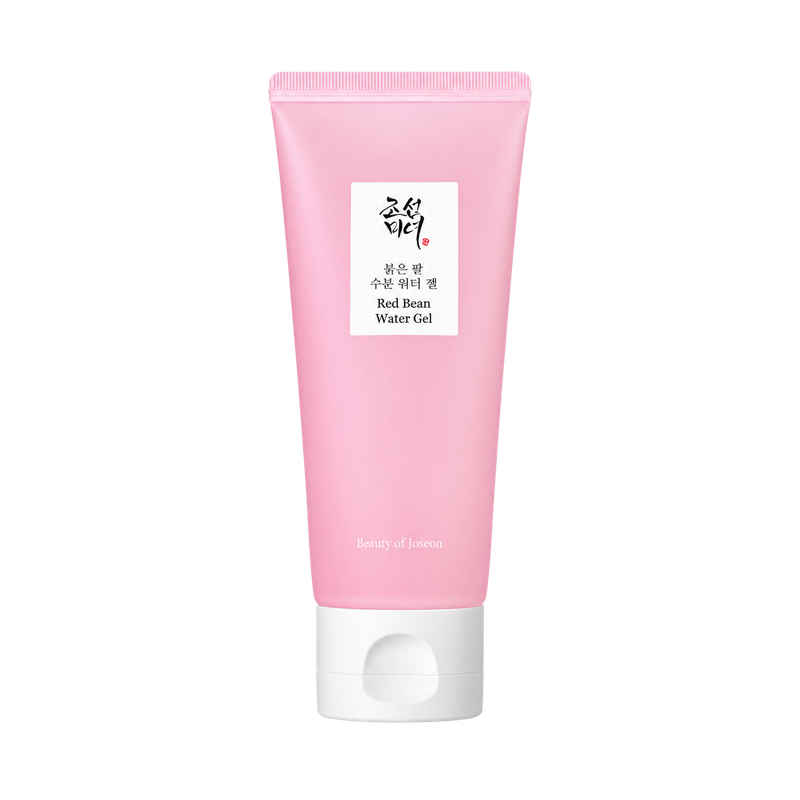
Beauty of Joseon Red Bean Water Gel is an existing U.S.-marketed Korean moisturizer whose official global page lists beta-glucan in its full ingredient list. It is a 100 ml gel marketed for lightweight hydration; the directions say to cleanse, apply toner and serum, then pat on a dime-sized amount and use sunscreen during the day. Beta-glucan appears after many other ingredients in the list, and the brand does not disclose its concentration there. It is a finished formula example, not a beta-glucan-only test or proof of a specific effect. Official page checked October 31, 2026. Beauty of Joseon product page
Choosing and using a beta-glucan product
Check the exact ingredient list and directions; formulas can change. If your moisturizer keeps your skin comfortable, there is no need to add a trending ingredient. Introduce one new product at a time. Stop if persistent burning, itching, swelling, or rash develops; seek medical advice for a significant reaction.
A known allergy calls for attention to the whole product and its declared ingredients, but “mushroom-derived” or “oat-derived” on its own does not establish that someone will react to all beta-glucans. Conversely, a product’s “sensitive skin” or “allergen-free” marketing does not guarantee an individual will tolerate it. Use the label and your own allergy history, not a blanket source-based rule.
Frequently asked questions
Does beta-glucan hydrate skin?
It can function as a humectant in a formula. Small human studies found hydration changes with specific products, but that does not predict the result from every serum or moisturizer.
Is beta-glucan better than hyaluronic acid?
There is no general winner. Both can attract water; the specific forms and finished formulas matter more than a blanket ingredient ranking.
Is colloidal oatmeal the same as beta-glucan?
No. Oatmeal contains beta-glucans along with other oat components, so evidence for a colloidal-oat product cannot be credited to beta-glucan alone.
If I react to oats or mushrooms, must I avoid all beta-glucan?
Not automatically. Sources and finished formulas differ. Check the product’s full ingredient list and consider your specific allergy history; seek clinician advice when uncertain.
From the ingredient to a product
Read the whole Red Bean Water Gel formula
The official ingredient list includes beta-glucan, without a disclosed percentage. This is one gel moisturizer example, not a clinical test of beta-glucan by itself.
Ingredients, directions & buying options →Compare a gel and a cream from the same brand →Brand photo & product source ↗Sources and how to read this guide
Research findings, manufacturer directions and Marieclat’s selection advice are identified in the text. We did not personally test these products. A source-check date is not the date of a clinical study or a guarantee of stock or price.
Our research and disclosure policy →